Items filtered by date: March 2025

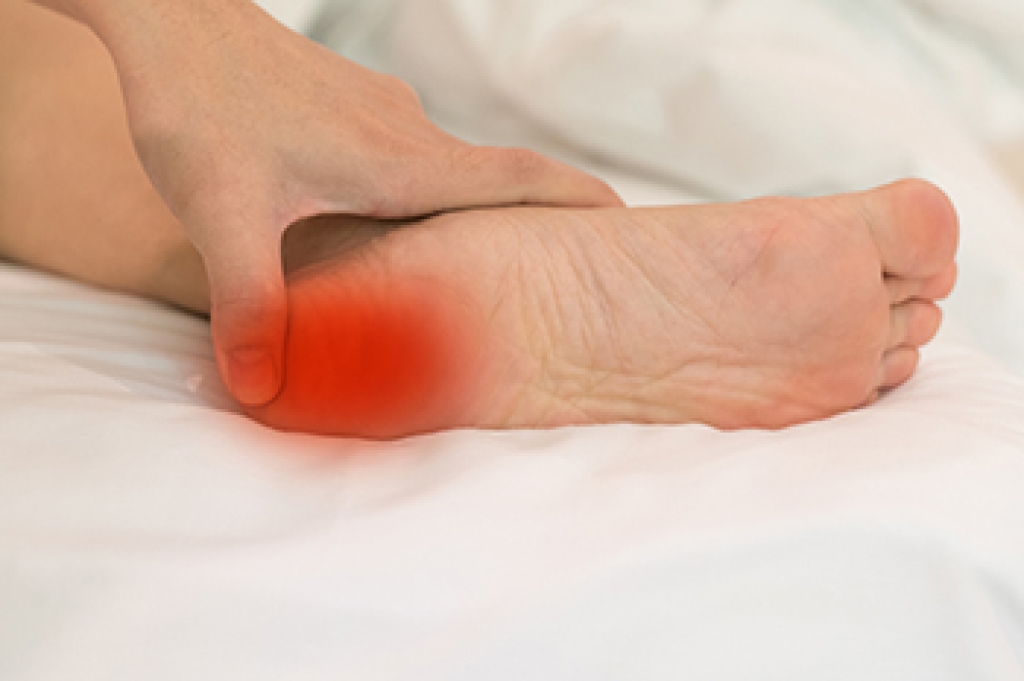
As people age, they become more prone to foot problems that can affect mobility and comfort. Bunions are a common issue, where the big toe shifts inward, causing a bony bump that leads to pain and difficulty wearing shoes. Arthritis often develops in the foot joints, leading to stiffness, swelling, and discomfort during movement. Corns form due to repeated pressure or friction, creating thickened areas of skin that can become painful. Additionally, heel pain, often caused by plantar fasciitis or thinning fat pads, makes walking uncomfortable. These conditions can result from years of wear and tear, poor footwear choices, or underlying medical issues. If you are elderly and have pain in any area of your foot, it is strongly suggested that you consult a podiatrist who can effectively treat various foot conditions.

Proper foot care is something many older adults forget to consider. If you have any concerns about your feet and ankles, contact Akena Wannamaker, DPM from ASW Foot and Ankle. Our doctor can provide the care you need to keep you pain-free and on your feet.

The Elderly and Their Feet

As we age we start to notice many changes in our body, but the elder population may not notice them right away. Medical conditions may prevent the elderly to take notice of their foot health right away. Poor vision is a lead contributor to not taking action for the elderly.

Common Conditions 

  • Neuropathy – can reduce feeling in the feet and can hide many life-threatening medical conditions.
  • Reduced flexibility – prevents the ability of proper toenail trimming, and foot cleaning. If left untreated, it may lead to further medical issues.
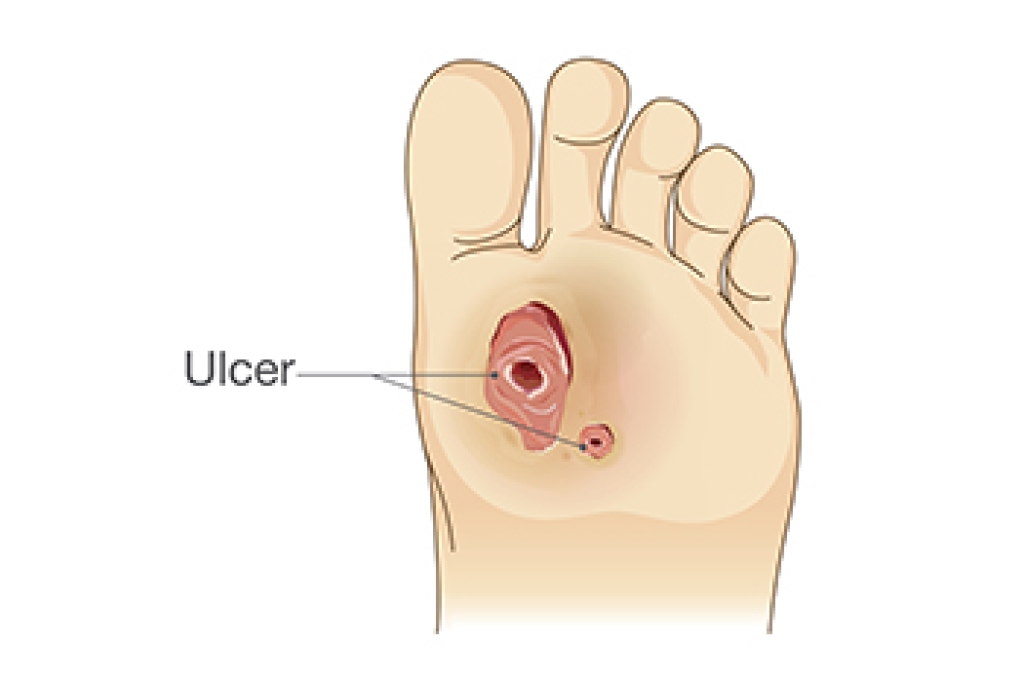
  • Foot sores – amongst the older population can be serious before they are discovered. Some of the problematic conditions they may face are:
  • Gouging toenails affecting nearby toe
  • Shoes that don’t fit properly
  • Pressure sores
  • Loss of circulation in legs & feet
  • Edema & swelling of feet and ankles

Susceptible Infections

Diabetes and poor circulation can cause general loss of sensitivity over the years, turning a simple cut into a serious issue.

If you have any questions, please feel free to contact our office located in Richmond, VA . We offer the newest diagnostic and treatment technologies for all your foot care needs.

Read more about Taking Care of Elderly Feet
Tuesday, 11 March 2025 00:00

Symptoms and Treatment of Fungal Toenails

Fungal nail infections primarily affect toenails, causing them to thicken, become discolored, and occasionally separate from the nail bed. In mild cases, fungal toenail infections might not require immediate treatment, yet some patients have a higher risk of complications and should seek professional advice promptly. Risk factors include diabetes, psoriasis, peripheral arterial disease, smoking, or medications that weaken the immune system. Fungal infections typically develop from minor injuries near the nail. They can be spread by sharing personal items like nail clippers or towels, walking barefoot in moist public areas, or transferring athlete’s foot from the skin between toes to the toenails. Treatment is often challenging due to frequent recurrences, and may include prescription antifungal nail lacquers, or oral antifungal medications prescribed by a podiatrist. In severe cases, a podiatrist may recommend surgery to remove the affected nail completely. If you notice that your toenail appears infected, it is suggested that you schedule an appointment with a podiatrist for an exam, diagnosis, and treatment options.

If left untreated, toenail fungus may spread to other toenails, skin, or even fingernails. If you suspect you have toenail fungus it is important to seek treatment right away. For more information about treatment, contact Akena Wannamaker, DPM of ASW Foot and Ankle. Our doctor can provide the care you need to keep you pain-free and on your feet.

Symptoms

  • Warped or oddly shaped nails
  • Yellowish nails
  • Loose/separated nail
  • Buildup of bits and pieces of nail fragments under the nail
  • Brittle, broken, thickened nail

Treatment

If self-care strategies and over-the-counter medications does not help your fungus, your podiatrist may give you a prescription drug instead. Even if you find relief from your toenail fungus symptoms, you may experience a repeat infection in the future.

Prevention

In order to prevent getting toenail fungus in the future, you should always make sure to wash your feet with soap and water. After washing, it is important to dry your feet thoroughly especially in between the toes. When trimming your toenails, be sure to trim straight across instead of in a rounded shape. It is crucial not to cover up discolored nails with nail polish because that will prevent your nail from being able to “breathe”.

In some cases, surgical procedure may be needed to remove the toenail fungus. Consult with your podiatrist about the best treatment options for your case of toenail fungus.  

If you have any questions please contact our office located in Richmond, VA . We offer the newest diagnostic and treatment technologies for all your foot and ankle needs.

Read more about Toenail Fungus
scroll to top