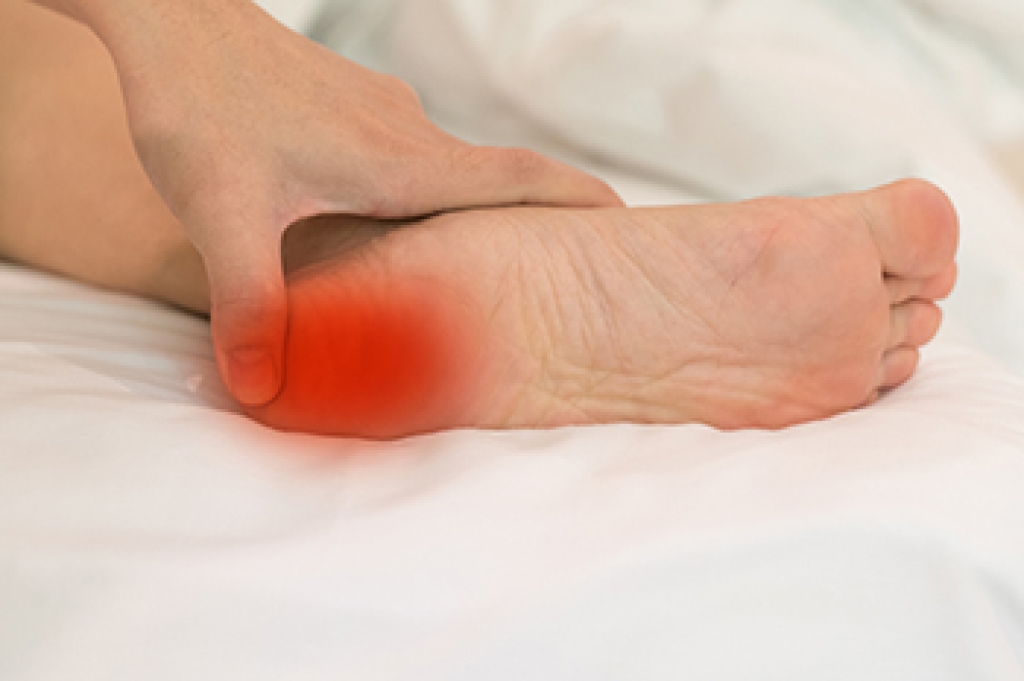
Padel is a fast-growing racquet sport that blends elements of tennis and squash, played on a smaller enclosed court with quick directional changes and constant lateral movement. Because the game relies on rapid pivots, sudden stops, and explosive pushes off the foot, it places notable stress on the lower extremities. Many players develop issues such as ankle sprains from twisting on the enclosed court surface, peroneal tendon irritation from repeated side-to-side motions, or plantar fasciitis caused by continuous impact during rallies. Stress to the forefoot can also lead to metatarsalgia or aggravate bunions and hammertoes, especially in players wearing tight or unsupportive shoes. Early recognition of soreness, swelling, or instability is key, since untreated injuries can worsen quickly in such a dynamic sport. It is suggested that you see a podiatrist if ankle or foot pain persists, as prompt care helps maintain comfort, performance, and long-term foot health.
Ankle and foot injuries are common among athletes and in many sports. They can be caused by several problems and may be potentially serious. If you are feeling pain or think you were injured in a sporting event or when exercising, consult with Akena Wannamaker, DPM from ASW Foot and Ankle. Our doctor will assess your condition and provide you with quality foot and ankle treatment.
Common Injuries
The most common injuries that occur in sporting activities include:
- Achilles Tendonitis
- Achilles Tendon Rupture
- Ankle Sprains
- Broken Foot
- Plantar Fasciitis
- Stress Fractures
- Turf Toe
Symptoms
Symptoms vary depending upon the injury and in some cases, there may be no symptoms at all. However, in most cases, some form of symptom is experienced. Pain, aching, burning, bruising, tenderness, tightness or stiffness, sensation loss, difficulty moving, and swelling are the most common symptoms.
Treatment
Just as symptoms vary depending upon the injury, so do treatment options. A common treatment method is known as the RICE method. This method involves rest, applying ice, compression and elevating the afflicted foot or ankle. If the injury appears to be more serious, surgery might be required, such as arthroscopic or reconstructive surgery. Lastly, rehabilitation or therapy might be needed to gain full functionality in the afflicted area. Any discomfort experienced by an athlete must be evaluated by a licensed, reputable medical professional.
If you have any questions please contact our office located in Richmond, VA . We offer the newest diagnostic and treatment technologies for all your foot and ankle needs.