Items filtered by date: November 2025

Tuesday, 25 November 2025 00:00

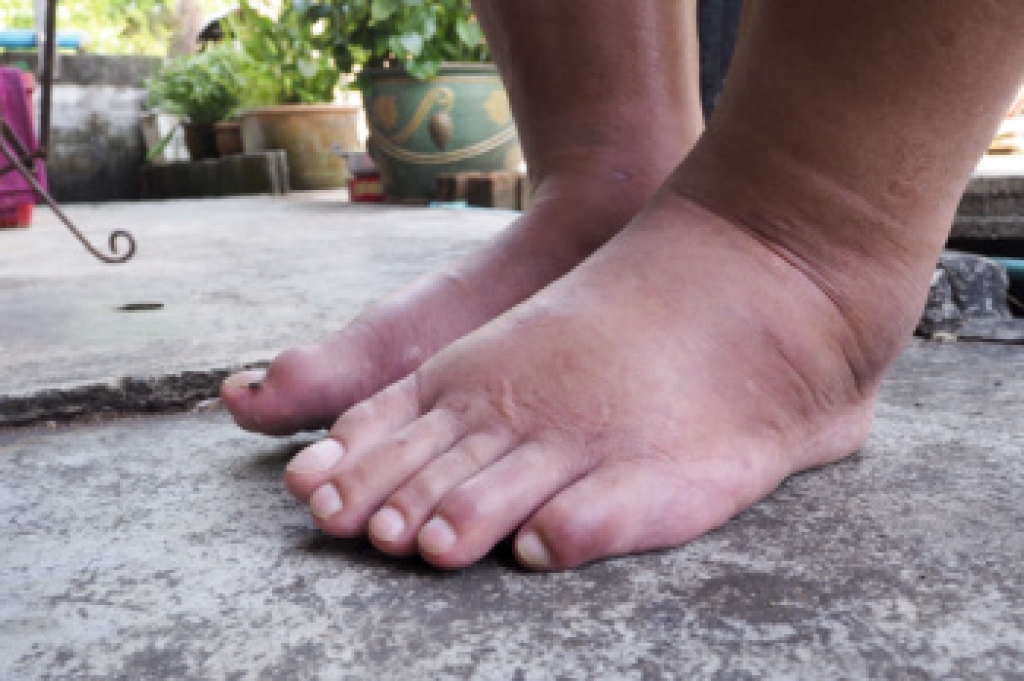
How Being Overweight Affects Foot Health

Carrying excess body weight places continuous pressure on the feet, which can strain bones, joints, and soft tissues with every step. The arches may gradually flatten under the increased load, altering foot posture and leading to plantar fasciitis, heel pain, or toe deformities. Extra weight can also add to plantar pressure, particularly under the ball of the foot and heel, which may result in pain and changes in walking patterns. Over time, this stress can affect balance and stability, making it more difficult for the feet and ankles to support normal movement. In some cases, the toes may curl or become misaligned due to the constant pressure on the forefoot. A podiatrist can evaluate these changes, assess how weight affects your foot structure, and recommend treatment to relieve pain and improve mobility. If you experience foot or ankle pain as a result of carrying extra weight, it is suggested that you make an appointment with a podiatrist for a diagnosis and treatment options.

Obesity has become very problematic at this point in time and can have extremely negative effects on the feet. If you’re an obese individual and are concerned about your feet, contact Akena Wannamaker, DPM from ASW Foot and Ankle. Our doctor can provide the care you need to keep you pain-free and on your feet.

Obesity and Your Feet

Since your feet are what support your entire weight when standing, any additional weight can result in pain and swelling. Being overweight is one of the main contributors to foot complications.

Problems & Complications

Extra Weight – Even putting on just a few extra pounds could create serious complications for your feet. As your weight increases, your balance and body will shift, creating new stresses on your feet. This uneven weight distribution can cause pain, even while doing the simplest tasks, such as walking.

Diabetes – People who are overweight are at serious risk of developing type-2 diabetes, which has a drastic impact on the health of your feet. As you get older, your diabetes might worsen, which could lead to loss of feeling in your feet, sores, and bruises. You could also become more prone to various infections.

Plantar fasciitis – Pressure and stress that is placed on muscles, joints, and tendons can trigger plantar fasciitis, which is an inflammation of tissue that forms along the bottom of the foot. 

If you have any questions, please feel free to contact our office located in Richmond, VA . We offer the newest diagnostic and treatment technologies for all your foot care needs.

Read more about How Obesity Affects Your Feet
Tuesday, 18 November 2025 00:00

Types and Symptoms of Achilles Tendonitis

Achilles tendonitis causes pain and stiffness in the back of the heel, where the Achilles tendon connects the calf muscles to the bone. This tendon can be affected in two main ways. Insertional Achilles tendonitis occurs where the tendon attaches directly to the heel bone, sometimes involving bone spurs that rub against the tendon. Non-insertional Achilles tendonitis develops slightly higher up in the middle portion of the tendon, an area that has a limited blood supply, and often affects active people. Symptoms of Achilles tendonitis include aching or sharp pain at the back of the heel, tenderness when pressing the tendon, swelling, and visible thickening of the tendon. A podiatrist can evaluate the symptoms, provide imaging if needed, and discuss treatment options, including pain medication, exercises, or surgery, if required. If you are experiencing pain in the back of your heel, it is suggested that you make an appointment with a podiatrist for an exam, diagnosis, and treatment.

Achilles tendon injuries need immediate attention to avoid future complications. If you have any concerns, contact Akena Wannamaker, DPM of ASW Foot and Ankle. Our doctor can provide the care you need to keep you pain-free and on your feet.

What Is the Achilles Tendon?

The Achilles tendon is a tendon that connects the lower leg muscles and calf to the heel of the foot. It is the strongest tendon in the human body and is essential for making movement possible. Because this tendon is such an integral part of the body, any injuries to it can create immense difficulties and should immediately be presented to a doctor.

What Are the Symptoms of an Achilles Tendon Injury?

There are various types of injuries that can affect the Achilles tendon. The two most common injuries are Achilles tendinitis and ruptures of the tendon.

Achilles Tendinitis Symptoms

  • Inflammation
  • Dull to severe pain
  • Increased blood flow to the tendon
  • Thickening of the tendon

Rupture Symptoms

  • Extreme pain and swelling in the foot
  • Total immobility

Treatment and Prevention

Achilles tendon injuries are diagnosed by a thorough physical evaluation, which can include an MRI. Treatment involves rest, physical therapy, and in some cases, surgery. However, various preventative measures can be taken to avoid these injuries, such as:

  • Thorough stretching of the tendon before and after exercise
  • Strengthening exercises like calf raises, squats, leg curls, leg extensions, leg raises, lunges, and leg presses

If you have any questions please feel free to contact our office located in Richmond, VA . We offer the newest diagnostic tools and technology to treat your foot and ankle needs.

Read more about What are Achilles Tendon Injuries
Tuesday, 11 November 2025 00:00

A Closer Look at Causes of Foot Pain

Foot pain can develop for many different reasons and often interrupts daily activities. One common source is plantar fasciitis, which causes discomfort in the heel and arch due to strain on the tissue that supports the foot. Bunions may lead to soreness and swelling near the big toe joint, especially when shoes do not fit properly. Arthritis can also affect the small joints of the foot and contribute to stiffness or aching that worsens with activity. Stress fractures are another culprit, often caused by repetitive motion or overuse. Even poor footwear choices, such as shoes without proper support, can lead to lasting pain. Nerve issues, such as neuromas, may create burning or tingling sensations that are difficult to ignore. If you are experiencing foot pain, it is suggested that you schedule a visit with a podiatrist to determine the underlying cause, in addition to receiving appropriate treatment.

Foot Pain

Foot pain can be extremely painful and debilitating. If you have a foot pain, consult with Akena Wannamaker, DPM from ASW Foot and Ankle. Our doctor will assess your condition and provide you with quality foot and ankle treatment.

Causes

Foot pain is a very broad condition that could be caused by one or more ailments. The most common include:

  • Bunions
  • Hammertoes
  • Plantar Fasciitis
  • Bone Spurs
  • Corns
  • Tarsal Tunnel Syndrome
  • Ingrown Toenails
  • Arthritis (such as Gout, Rheumatoid, and Osteoarthritis)
  • Flat Feet
  • Injury (from stress fractures, broken toe, foot, ankle, Achilles tendon ruptures, and sprains)
  • And more

Diagnosis

To figure out the cause of foot pain, podiatrists utilize several different methods. This can range from simple visual inspections and sensation tests to X-rays and MRI scans. Prior medical history, family medical history, and any recent physical traumatic events will all be taken into consideration for a proper diagnosis.

Treatment

Treatment depends upon the cause of the foot pain. Whether it is resting, staying off the foot, or having surgery; podiatrists have a number of treatment options available for foot pain.

If you have any questions, please feel free to contact our office located in Richmond, VA . We offer the newest diagnostic and treatment technologies for all your foot care needs.

Read more about Foot Pain
Tuesday, 04 November 2025 00:00

Foot Care Is Vital for Overall Foot Health

The importance of practicing everyday foot care is vital in maintaining the health and cleanliness of your feet. There are a variety of methods that can be implemented which can accomplish this. These can consist of washing, drying, and exfoliating the feet daily, followed by applying a good moisturizer. Additionally, it is beneficial to wear shoes that fit correctly. A painful foot condition that is known as ingrown toenails may be prevented when the toenails are properly trimmed. The feet can feel better when shoes and socks are removed for a portion of the day, as this allows air to circulate around them. For more information about how to practice daily foot hygiene habits, please schedule a consultation with a podiatrist.

Everyday foot care is very important to prevent infection and other foot ailments. If you need your feet checked, contact Akena Wannamaker, DPM from ASW Foot and Ankle. Our doctor can provide the care you need to keep you pain-free and on your feet.

Everyday Foot Care

Often, people take care of their bodies, face and hair more so than they do for their feet. But the feet are a very important aspect of our bodies, and one that we should pay more attention to. Without our feet, we would not be able to perform most daily tasks.

It is best to check your feet regularly to make sure there are no new bruises or cuts that you may not have noticed before. For dry feet, moisturizer can easily be a remedy and can be applied as often as necessary to the affected areas. Wearing shoes that fit well can also help you maintain good foot health, as well as making it easier to walk and do daily activities without the stress or pain of ill-fitting shoes, high heels, or even flip flops. Wearing clean socks with closed shoes is important to ensure that sweat and bacteria do not accumulate within the shoe. Clean socks help to prevent Athlete’s foot, fungi problems, bad odors, and can absorb sweat.

If you have any questions, please feel free to contact our office located in Richmond, VA . We offer the newest diagnostic and treatment technologies for all your foot care needs.

Read more about Everyday Foot Care
Saturday, 01 November 2025 00:00

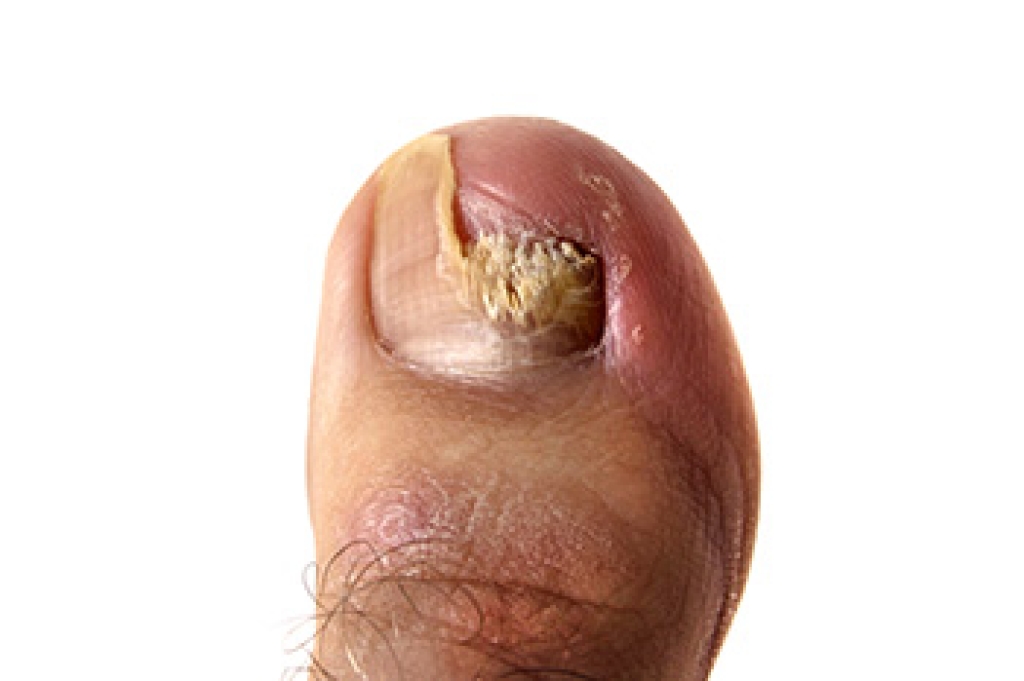
Stop Your Toenail Fungus

Have you noticed discoloration of your toenails? Have they become thickened or brittle? If so, you may be experiencing symptoms of a fungal nail infection. For some, having a fungal nail can be embarrassing. Overcome your embarrassment, and get treated.

scroll to top