Facts About Athlete’s Foot

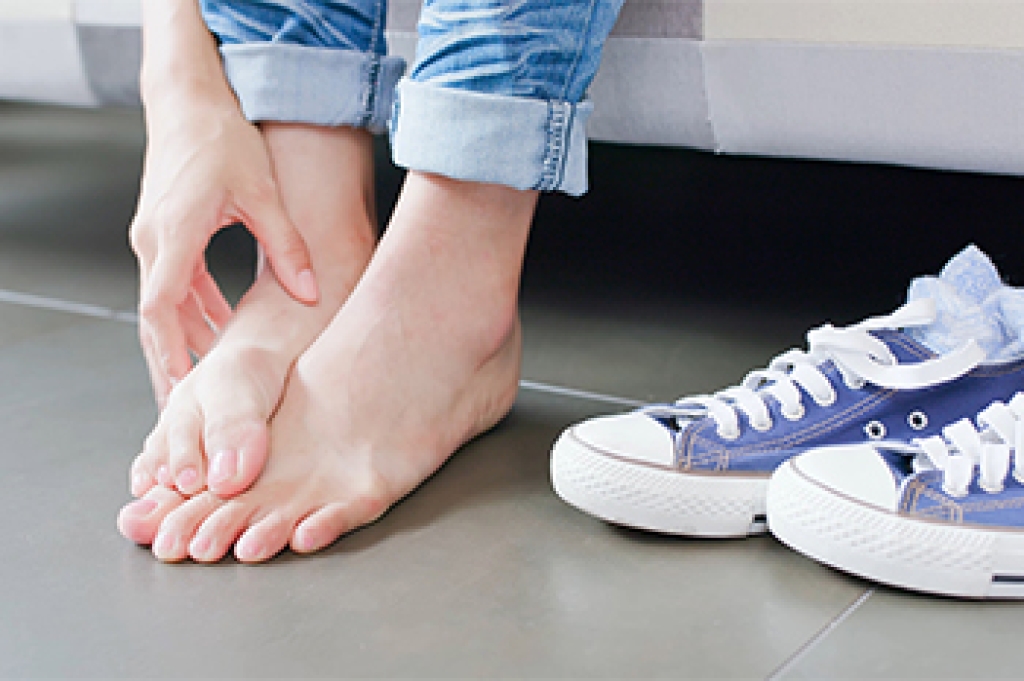
Athlete’s foot is a contagious fungal infection that affects the skin on the feet. This fungus is a living organism that grows best in warm, moist environments. The infection commonly develops between the toes, but it can also affect the soles of the feet and the toenails. Because the fungus spreads easily, athlete’s foot is frequently picked up in places where people walk barefoot. These areas include locker rooms, swimming pool decks, and public shower areas. The infection can also spread through contact with contaminated shoes, socks, towels, and other surfaces. People who wear closed shoes for long periods of time, or whose feet stay damp, are at greater risk of developing athlete’s foot.

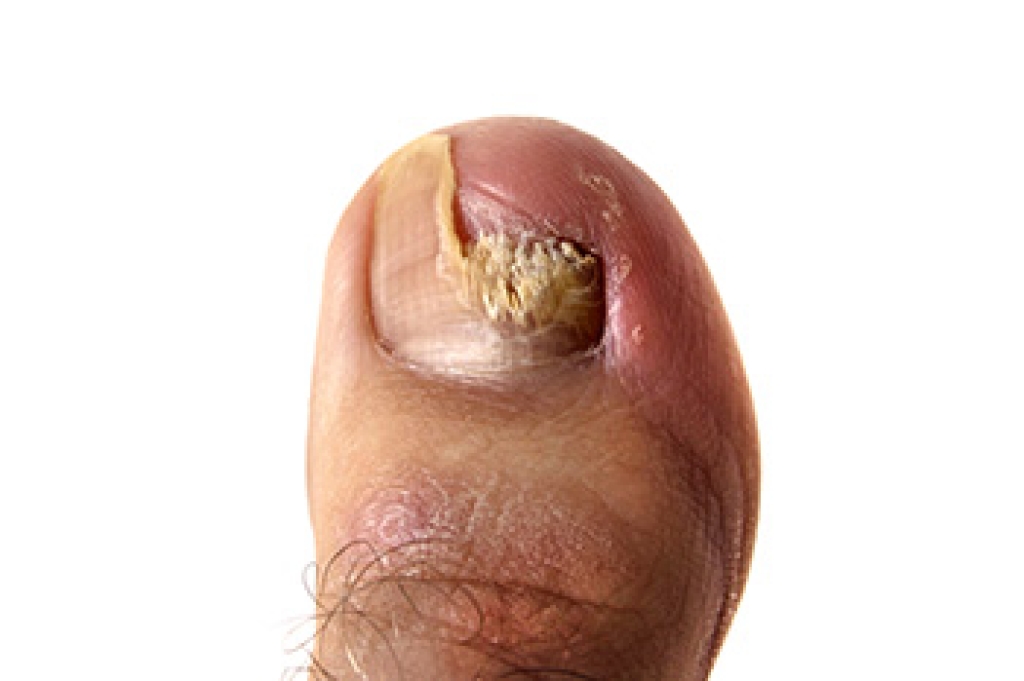
The symptoms of athlete’s foot can range from mild to severe. Common signs include itching, redness, and peeling skin. Some people develop cracking between the toes, while others notice burning sensations or painful skin irritation. Small blisters filled with fluid can also form. When the infection spreads to the toenails, the nails can become thick, brittle, and discolored. Athlete’s foot can affect comfort while walking, and may make daily activities more difficult. Because other foot conditions can look similar, a proper diagnosis is important. A podiatrist can examine the skin, identify the source of the problem, and determine whether a fungal infection is present.

Treatment focuses on eliminating the fungus and preventing the infection from becoming more severe. A podiatrist can recommend prescription-strength medications when appropriate and monitor the skin for signs of complications. In some cases, athlete’s foot can lead to bacterial infections, as harmful germs enter damaged skin. Early treatment can help reduce discomfort and limit the spread of the fungus to other areas of the body or to other people. If you have an athlete's foot infection, it is suggested that you schedule an appointment with a podiatrist for an accurate diagnosis and appropriate treatment solutions, which may include prescribed medication.

Athlete’s Foot

Athlete’s foot is often an uncomfortable condition to experience. Thankfully, podiatrists specialize in treating athlete’s foot and offer the best treatment options. If you have any questions about athlete’s foot, consult with Akena Wannamaker, DPM from ASW Foot and Ankle. Our doctor will assess your condition and provide you with quality treatment.

What Is Athlete’s Foot?

Tinea pedis, more commonly known as athlete’s foot, is a non-serious and common fungal infection of the foot. Athlete’s foot is contagious and can be contracted by touching someone who has it or infected surfaces. The most common places contaminated by it are public showers, locker rooms, and swimming pools. Once contracted, it grows on feet that are left inside moist, dark, and warm shoes and socks.

Prevention

The most effective ways to prevent athlete’s foot include:

  • Thoroughly washing and drying feet
  • Avoid going barefoot in locker rooms and public showers
  • Using shower shoes in public showers
  • Wearing socks that allow the feet to breathe
  • Changing socks and shoes frequently if you sweat a lot

Symptoms

Athlete’s foot initially occurs as a rash between the toes. However, if left undiagnosed, it can spread to the sides and bottom of the feet, toenails, and if touched by hand, the hands themselves. Symptoms include:

  • Redness
  • Burning
  • Itching
  • Scaly and peeling skin

Diagnosis and Treatment

Diagnosis is quick and easy. Skin samples will be taken and either viewed under a microscope or sent to a lab for testing. Sometimes, a podiatrist can diagnose it based on simply looking at it. Once confirmed, treatment options include oral and topical antifungal medications.

If you have any questions, please feel free to contact our office located in Richmond, VA . We offer the newest diagnostic and treatment technologies for all your foot care needs.

Read more about Athlete’s Foot

Cracked Heels and What They Mean for Foot Health

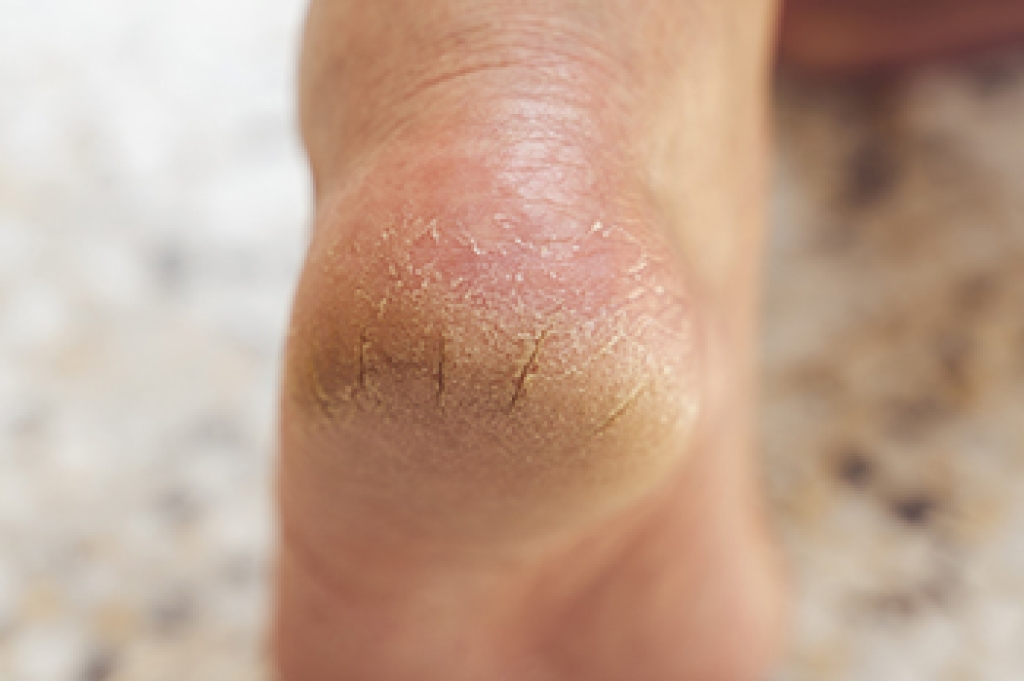
Cracked heel fissures develop when the skin on the heel becomes excessively dry and thick, leading to visible splits that can affect both comfort and mobility. The heel is designed to absorb shock and support body weight, but when the skin barrier is compromised, it cannot handle pressure effectively. This condition is frequently seen in individuals who spend long hours on their feet or who lack proper foot support. While mild cases may appear as simple dryness, untreated fissures can deepen and lead to more serious complications. Understanding this condition is important for maintaining both skin health and overall foot function.

Common symptoms include dry, scaly skin that appears along the edges of the heel, often accompanied by a yellow or thickened callus. As the condition progresses, cracks may form and create discomfort during walking. Pain is typically more noticeable when pressure is applied, especially after long periods of standing. In severe cases, the fissures may bleed or become inflamed, increasing the risk of infection. Some individuals also experience itching or sensitivity in the affected area. Recognizing these symptoms early allows for more effective management and improved comfort.


Risk factors for cracked heels vary and often involve both lifestyle and health related influences. Individuals who walk barefoot or wear poorly cushioned footwear are more likely to develop excessive pressure on the heels. Obesity increases the load placed on the foot, which can stretch and weaken the skin. Chronic conditions such as diabetes and thyroid disorders may impair skin integrity and healing. Additionally, reduced hydration, whether from environmental exposure or inadequate skin care, further increases vulnerability. These combined factors create an environment where the skin is more likely to crack under stress.


The causes of cracked heels are primarily linked to the loss of moisture and repeated mechanical pressure. When the skin becomes dehydrated, it loses flexibility and becomes rigid, making it easier to split. Continuous pressure from standing or walking forces the skin to expand, worsening the fissures. Management includes restoring moisture with specialized creams, using supportive shoes, and avoiding behaviors that increase strain on the heel. Routine foot care and early intervention are essential for prevention. If you have cracked heels that have become painful, it is suggested you seek care from a podiatrist for a proper evaluation and appropriate treatment, which may include prescribed medication.

If the skin on your feet starts to crack, you may want to see a podiatrist to find treatment. If you have any concerns, contact Akena Wannamaker, DPM from ASW Foot and Ankle. Our doctor can provide the care you need to keep you pain-free and on your feet.

Cracked Heels

It is important to moisturize your cracked heels in order to prevent pain, bleeding, and infection. The reason cracked heels form is because the skin on the foot is too dry to support the immense pressure placed on them. When the foot expands, the dry skin on the foot begins to split.

Ways to Help Heal Them

  • Invest in a good foot cream
  • Try Using Petroleum Jelly
  • Ease up on Soaps
  • Drink Plenty of Water

Ways to Prevent Cracked Heels

  • Moisturize After Showering
  • Skip a Shower
  • Keep Shower Water Lukewarm
  • Don’t Scrub Your Feet

If you are unsure how to proceed in treating cracked heels, seek guidance from a podiatrist. Your doctor will help you with any questions or information you may need. 

If you have any questions, please feel free to contact our office located in Richmond, VA . We offer the newest diagnostic and treatment technologies for all your foot care needs.

Read more about Solutions for Cracked Heels
scroll to top