
Corns on the Feet Are Small Bumps That Can Cause Big Discomfort

Corns are thickened areas of skin that develop on the feet due to repeated pressure or friction, often from tight shoes, high heels, or abnormal gait. They commonly form on the top and sides of toes or the soles of the feet. Corns may appear as hard, raised bumps surrounded by inflamed skin. They can feel rough to the touch and may cause tenderness or a burning sensation, especially when walking or wearing shoes. While over-the-counter remedies exist, improper removal can lead to infection or worsening symptoms. A podiatrist can safely remove corns, assess for underlying causes like misaligned toes or poor footwear, and recommend treatments such as custom orthotics, padding, or changes in footwear to prevent recurrence. If corns are interfering with your comfort or mobility, it is suggested that you make an appointment with a podiatrist.

If you have any concerns regarding your feet and ankles, contact Akena Wannamaker, DPM of ASW Foot and Ankle. Our doctor will treat your foot and ankle needs.

Corns: What Are They? and How Do You Get Rid of Them?
Corns can be described as areas of the skin that have thickened to the point of becoming painful or irritating. They are often layers and layers of the skin that have become dry and rough, and are normally smaller than calluses.

Ways to Prevent Corns
There are many ways to get rid of painful corns such as wearing:

  • Well-fitting socks
  • Comfortable shoes that are not tight around your foot
  • Shoes that offer support

Treating Corns
Treatment of corns involves removing the dead skin that has built up in the specific area of the foot. Consult with Our doctor to determine the best treatment option for your case of corns.

If you have any questions, please feel free to contact our office located in Richmond, VA . We offer the newest diagnostic and treatment technologies for all your foot care needs.


Read more about Corns: What Are They, and How Do You Get Rid of Them

Ingrown Toenails and How They Are Treated

An ingrown toenail occurs when the edge of the nail grows into the nearby skin, often causing pain, redness, and sometimes drainage. It can be triggered by trimming nails too short, wearing tight shoes, or stubbing the toe. While anyone can develop this issue, it is more frequent in teens, athletes, and those with curved nails. Mild cases may respond well to warm saltwater soaks, clean bandaging, and changes in footwear. When symptoms worsen or infection sets in, a podiatrist might trim or remove the affected part of the nail. For ongoing problems, a simple in-office procedure can stop the edge of the nail from growing back. With proper care, recovery is quick and most patients return to regular activities without lasting effects. If you notice persistent toe pain, swelling, or visible changes in the nail, it is suggested that you visit a podiatrist for appropriate treatment.

Ingrown toenails can become painful if they are not treated properly. For more information about ingrown toenails, contact Akena Wannamaker, DPM of ASW Foot and Ankle. Our doctor can provide the care you need to keep you pain-free and on your feet.

Ingrown Toenails

Ingrown toenails occur when a toenail grows sideways into the bed of the nail, causing pain, swelling, and possibly infection.

Causes

  • Bacterial infections
  • Improper nail cutting such as cutting it too short or not straight across
  • Trauma to the toe, such as stubbing, which causes the nail to grow back irregularly
  • Ill-fitting shoes that bunch the toes too close together
  • Genetic predisposition

Prevention

Wearing proper fitting shoes and using proper cutting techniques will also help decrease your risk of developing ingrown toenails.

Treatment

Ingrown toenails are a very treatable foot condition. In minor cases, soaking the affected area in salt or antibacterial soaps will not only help with the ingrown nail itself, but also help prevent any infections from occurring. In more severe cases, surgery is an option. In either case, speaking to your podiatrist about this condition will help you get a better understanding of specific treatment options that are right for you.

If you have any questions, please feel free to contact our office located in Richmond, VA . We offer the newest diagnostic and treatment technologies for all your foot care needs.
Read more about Ingrown Toenail Care

Understanding Fungal Infections of the Toenail

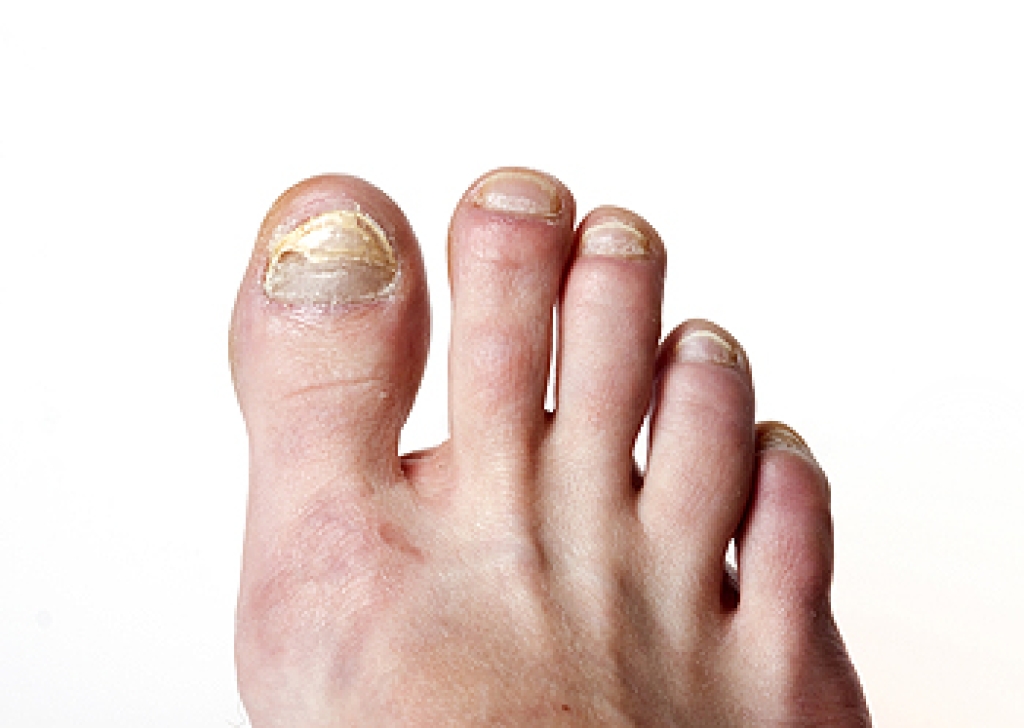
A fungal toenail infection can begin as a small white or yellow spot and slowly spread deeper into the nail. Over time, the nail may become thick, brittle, discolored, or start to lift from the nail bed. These infections often develop in warm, damp environments and are more common in people who wear tight shoes, walk barefoot in public places, or have a history of athlete’s foot. Poor circulation or a weakened immune system may also increase risk. While the condition is usually not painful early on, it can lead to discomfort or difficulty trimming the nail, if left untreated. More persistent infections often require prescription treatment or professional care. If your toenails are showing signs of thickening, crumbling, or discoloration, it is suggested that you see a podiatrist for proper diagnosis and appropriate treatment.

For more information about treatment, contact Akena Wannamaker, DPM of ASW Foot and Ankle. Our doctor can provide the care you need to keep you pain-free and on your feet.

Toenail Fungus Treatment

Toenail fungus is a condition that affects many people and can be especially hard to get rid of. Fortunately, there are several methods to go about treating and avoiding it.

Antifungals & Deterrence

Oral antifungal medicine has been shown to be effective in many cases. It is important to consult with a podiatrist to determine the proper regiment for you, or potentially explore other options.

Applying foot powder on the feet and shoes helps keep the feet free of moisture and sweat.

Sandals or open toed shoes – Wearing these will allow air movement and help keep feet dry. They also expose your feet to light, which fungus cannot tolerate. Socks with moisture wicking material also help as well.

If you have any questions please contact our office located in Richmond, VA . We offer the newest diagnostic and treatment technologies for all your foot and ankle needs.

Read more about Treating Toenail Fungus

Why Diabetic Foot Care Matters

Taking care of the feet is especially important for individuals living with diabetes. High blood sugar over time can damage nerves and reduce blood flow, making it harder to feel injuries and for wounds to heal. A small cut or blister can turn into a serious infection, if left unnoticed. Dry skin, thick nails, and poor circulation can also contribute to foot problems that may not be immediately painful. Checking the feet every day for changes in color, swelling, or sores can help catch problems early. Wearing well-fitting shoes and keeping the skin clean and moisturized are simple steps that make a big difference. Regular foot exams by a podiatrist can also help prevent more serious complications. If you have diabetes and notice any signs of irritation, numbness, or changes in the skin of the feet or nails, it is suggested that you see a podiatrist for a diagnosis and appropriate treatment.

Diabetic foot care is important in preventing foot ailments such as ulcers. If you are suffering from diabetes or have any other concerns about your feet, contact Akena Wannamaker, DPM from ASW Foot and Ankle. Our doctor can provide the care you need to keep you pain-free and on your feet.

Diabetic Foot Care

Diabetes affects millions of people every year. The condition can damage blood vessels in many parts of the body, especially the feet. Because of this, taking care of your feet is essential if you have diabetes, and having a podiatrist help monitor your foot health is highly recommended.

The Importance of Caring for Your Feet

  • Routinely inspect your feet for bruises or sores.
  • Wear socks that fit your feet comfortably.
  • Wear comfortable shoes that provide adequate support.

Patients with diabetes should have their doctor monitor their blood levels, as blood sugar levels play such a huge role in diabetic care. Monitoring these levels on a regular basis is highly advised.

It is always best to inform your healthcare professional of any concerns you may have regarding your feet, especially for diabetic patients. Early treatment and routine foot examinations are keys to maintaining proper health, especially because severe complications can arise if proper treatment is not applied.

If you have any questions, please feel free to contact our office located in Richmond, VA . We offer the newest diagnostic and treatment technologies for all your foot care needs.

Read more about Diabetic Foot Care
scroll to top