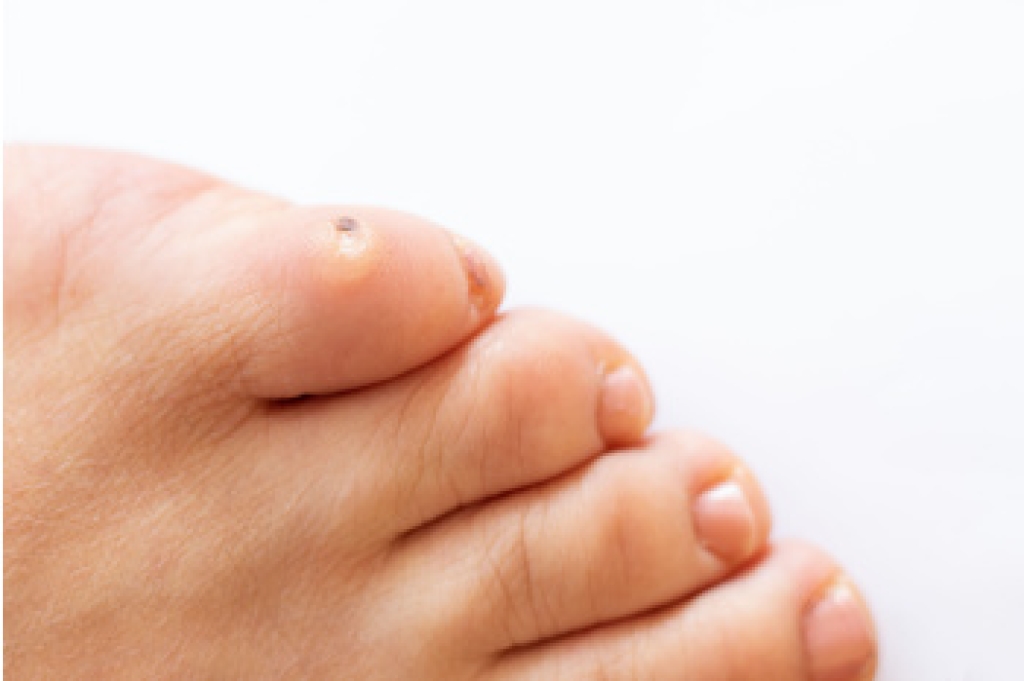
Causes and Treatment of Corns

Corns are small areas of thickened skin that develop when the foot is exposed to repeated pressure or friction. They usually form on the tops and sides of the toes, although they can also appear on the bottoms of the feet. Unlike calluses, which tend to cover larger areas, corns are often smaller and have a hard center. Many people notice pain when walking or when shoes press against the affected area. Corns can develop when toes rub against one another or when shoes create constant pressure on certain parts of the foot. Foot structure and toe deformities can also increase the risk of developing corns.

The symptoms of corns can become more noticeable as pressure continues. Patients frequently experience tenderness, soreness, and a feeling that something is pressing into the skin. The affected area may appear raised, hardened, and yellowish in color. Pain can become worse while walking or standing for long periods. Corns that form between the toes are usually softer because of moisture in that area. Even though corns are made of thickened skin, they can be surprisingly uncomfortable and interfere with daily activities. In some cases, the discomfort causes people to change the way they walk, which can place extra strain on other parts of the foot.

A podiatrist can determine whether a painful thickened area is a corn or another condition that requires different treatment. Diagnosis includes examining the foot and identifying the source of the pressure or friction. Treatment focuses on reducing discomfort and addressing the underlying cause. A podiatrist may carefully trim the thickened skin, recommend padding or orthotics, and evaluate whether shoes provide proper support and fit. Patients with diabetes or circulation problems should seek professional care because foot problems can become more serious. If you have symptoms of corns it is suggested that you make an appointment with a podiatrist for diagnosis and treatment.

Corns can make walking very painful and should be treated immediately. If you have questions regarding your feet and ankles, contact Akena Wannamaker, DPM of ASW Foot and Ankle. Our doctor will treat your foot and ankle needs.

Corns: What Are They? And How Do You Get Rid of Them?
Corns are thickened areas on the skin that can become painful. They are caused by excessive pressure and friction on the skin. Corns press into the deeper layers of the skin and are usually round in shape.

Ways to Prevent Corns
There are many ways to get rid of painful corns such as:

  • Wearing properly fitting shoes that have been measured by a professional
  • Wearing shoes that are not sharply pointed or have high heels
  • Wearing only shoes that offer support

Treating Corns

Although most corns slowly disappear when the friction or pressure stops, this isn’t always the case. Consult with your podiatrist to determine the best treatment option for your case of corns.

If you have any questions, please feel free to contact our office located in Richmond, VA . We offer the newest diagnostic and treatment technologies for all your foot care needs.
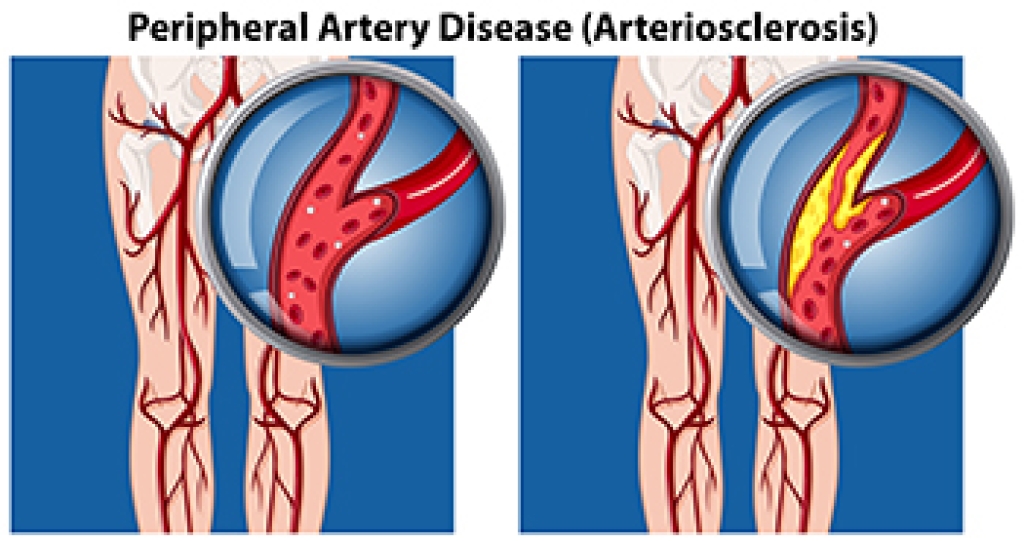

Read more about Understanding Corns and Calluses

What Are the Symptoms of PAD?

The condition that is referred to as peripheral artery disease (PAD) can cause poor circulation of the feet and various organs in the body. Common symptoms many patients experience can include numbing sensations in the feet, a loss of hair on the legs, and  difficulty walking. It can occur as a result of arteries in the body that become narrow, which can gradually close. This can prevent necessary blood flow, and the feet may feel cold and turn blue. There are methods that can be implemented that may help to prevent PAD. These can include not smoking, incorporating a gentle exercise program into your daily routine, in addition to eating foods that are healthy. There may be existing medical conditions that can lead to PAD, including diabetes, obesity, or kidney disease. If you are experiencing numbing or tingling sensations in your feet, it is strongly suggested that you consult with a podiatrist who can properly diagnose and treat PAD.

Peripheral artery disease can pose a serious risk to your health. It can increase the risk of stroke and heart attack. If you have symptoms of peripheral artery disease, consult with Akena Wannamaker, DPM from ASW Foot and Ankle. Our doctor will assess your condition and provide you with quality foot and ankle treatment.

Peripheral artery disease (PAD) is when arteries are constricted due to plaque (fatty deposits) build-up. This results in less blood flow to the legs and other extremities. The main cause of PAD is atherosclerosis, in which plaque builds up in the arteries.

Symptoms

Symptoms of PAD include:

  • Claudication (leg pain from walking)
  • Numbness in legs
  • Decrease in growth of leg hair and toenails
  • Paleness of the skin
  • Erectile dysfunction
  • Sores and wounds on legs and feet that won’t heal
  • Coldness in one leg

It is important to note that a majority of individuals never show any symptoms of PAD.

Diagnosis

While PAD occurs in the legs and arteries, Podiatrists can diagnose PAD. Podiatrists utilize a test called an ankle-brachial index (ABI). An ABI test compares blood pressure in your arm to you ankle to see if any abnormality occurs. Ultrasound and imaging devices may also be used.

Treatment

Fortunately, lifestyle changes such as maintaining a healthy diet, exercising, managing cholesterol and blood sugar levels, and quitting smoking, can all treat PAD. Medications that prevent clots from occurring can be prescribed. Finally, in some cases, surgery may be recommended.

If you have any questions, please feel free to contact our office located in Richmond, VA . We offer the newest diagnostic and treatment technologies for all your foot care needs.

Read more about Peripheral Artery Disease

Foot Changes During Pregnancy

Foot pain during pregnancy is a common concern as the body goes through physical and hormonal changes. Increased weight places added pressure on the feet, while hormonal shifts can loosen ligaments and affect foot structure. Many women notice their feet have become swollen, achy, or a feeling of heaviness, especially later in the day. Fluid retention may worsen with high sodium intake, while low potassium levels can contribute to cramping. Caffeine may also affect circulation and increase discomfort for some individuals. Over time, these changes can alter walking patterns and strain joints. A podiatrist can evaluate foot alignment, monitor swelling, and recommend supportive treatments such as custom orthotics or footwear guidance to reduce stress on the feet. Proper care can help maintain comfort and mobility throughout pregnancy. If you have foot pain during your pregnancy, it is suggested that you consult a podiatrist who can offer effective relief tips.

Pregnant women with swollen feet can be treated with a variety of different methods that are readily available. For more information about other cures for swollen feet during pregnancy, consult with Akena Wannamaker, DPM from ASW Foot and Ankle. Our doctor will attend to all of your foot and ankle needs.

What Foot Problems Can Arise During Pregnancy?

One problem that can occur is overpronation, which occurs when the arch of the foot flattens and tends to roll inward.  This can cause pain and discomfort in your heels while you’re walking or even just standing up, trying to support your baby.  

Another problem is edema, or swelling in the extremities. This often affects the feet during pregnancy but tends to occur in the later stages. 

How Can I Keep My Feet Healthy During Pregnancy?

  • Wearing orthotics can provide extra support for the feet and help distribute weight evenly
  • Minimize the amount of time spent walking barefoot
  • Wear shoes with good arch support
  • Wear shoes that allow for good circulation to the feet
  • Elevate feet if you experience swelling
  • Massage your feet
  • Get regular, light exercise, such as walking, to promote blood circulation to the feet

If you have any questions, please feel free to contact our office located in Richmond, VA . We offer the newest diagnostic and treatment technologies for all your foot care needs.
Read more about Foot Care for Pregnant Women

Reasons for Morning Foot Pain

Morning foot pain is a common complaint that often feels worse with the first few steps after getting out of bed. This can happen because the feet remain still overnight, which leads to tight muscles, stiff joints, and reduced movement of fluids within the tissues. Inflammation, the body’s response to irritation or injury, may build up during nighttime rest and increase discomfort by morning. The most common cause of morning foot pain is plantar fasciitis, which is an irritation of the thick band of tissue on the bottom of the foot. Arthritis, tendon irritation, and nerve-related problems are other causes. Wearing shoes that lack proper support, overuse from activity, or changes in foot structure can also play a role. A podiatrist can perform a detailed exam, assess foot alignment, and order imaging to find the exact cause. Treatment includes custom orthotics, bracing, or other targeted care to reduce strain and improve function. If your feet hurt when you get up in the morning, it is suggested that you make an appointment with a podiatrist for a diagnosis and treatment.

Foot Pain

Foot pain can be extremely painful and debilitating. If you have a foot pain, consult with Akena Wannamaker, DPM from ASW Foot and Ankle. Our doctor will assess your condition and provide you with quality foot and ankle treatment.

Causes

Foot pain is a very broad condition that could be caused by one or more ailments. The most common include:

  • Bunions
  • Hammertoes
  • Plantar Fasciitis
  • Bone Spurs
  • Corns
  • Tarsal Tunnel Syndrome
  • Ingrown Toenails
  • Arthritis (such as Gout, Rheumatoid, and Osteoarthritis)
  • Flat Feet
  • Injury (from stress fractures, broken toe, foot, ankle, Achilles tendon ruptures, and sprains)
  • And more

Diagnosis

To figure out the cause of foot pain, podiatrists utilize several different methods. This can range from simple visual inspections and sensation tests to X-rays and MRI scans. Prior medical history, family medical history, and any recent physical traumatic events will all be taken into consideration for a proper diagnosis.

Treatment

Treatment depends upon the cause of the foot pain. Whether it is resting, staying off the foot, or having surgery; podiatrists have a number of treatment options available for foot pain.

If you have any questions, please feel free to contact our office located in Richmond, VA . We offer the newest diagnostic and treatment technologies for all your foot care needs.

Read more about Foot Pain

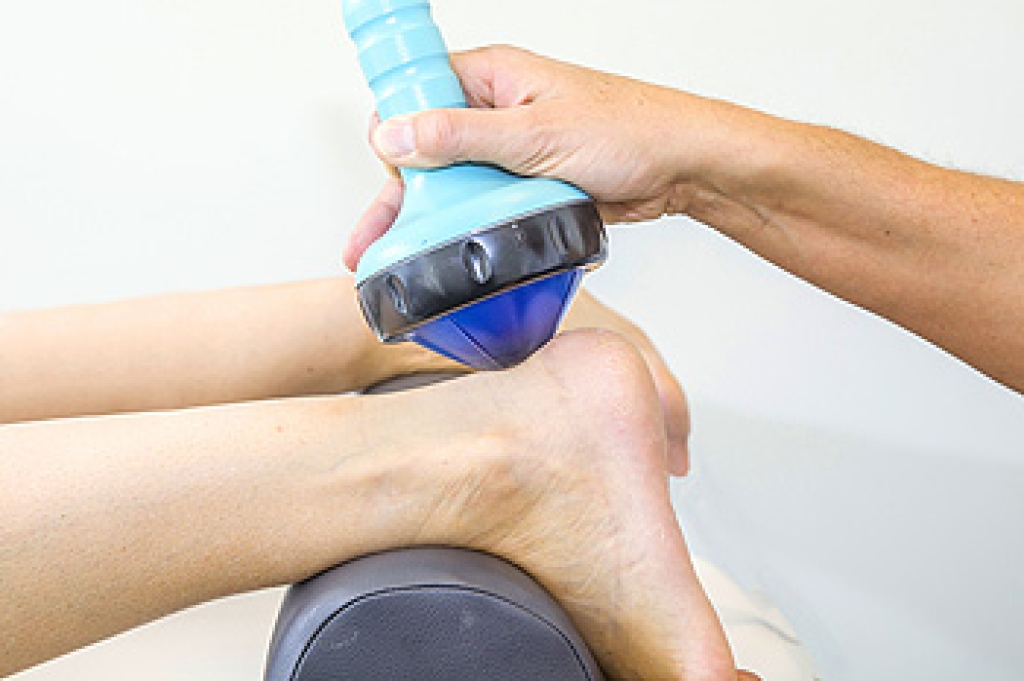
Can Shockwave Therapy Help Chronic Foot Pain?

The medical procedure that is referred to as shockwave therapy may be beneficial in reducing the pain that is associated with plantar fasciitis, heel spurs, and discomfort from an Achilles tendon injury. It is applied through the surface of the skin, and is known to accelerate the healing process as blood vessels are repaired. The benefits of this type of treatment can include a speedy recovery, no anesthesia, and that the procedure is simple to apply. If you suffer from chronic foot pain, and would like additional information about shockwave therapy, it is suggested that you schedule an appointment with a podiatrist who can determine if this is the correct treatment for you.

Shockwave therapy is a treatment commonly used to treat various injuries and conditions, particularly plantar fasciitis in the feet. To learn more, consult with Akena Wannamaker, DPM from ASW Foot and Ankle. Our doctor can provide the care you need to keep you pain-free and on your feet.

Shockwave Therapy

Shockwave therapy is a new treatment option designed to treat bone conditions such as tennis elbow, shoulder pain, and others. Shockwave therapy uses high intensity sound waves that are directed to the affected tissues of the body with pinpoint accuracy. The effects are very beneficial, leading to a production of collagen fibers, eliminating inflammation.

Who Benefits from Shockwave?

Shockwave is recommended for patients suffering from heel pain and associated problems. Heel pain is a common condition which can be caused by obesity, overexertion, and spending a substantial amount of time on hard floors with your feet exposed and unsupported.

Fast and Easy

The therapy is actually a simple process that can leave patients feeling better the very next day. Shockwave therapy is not as dramatic as it sounds. It enables more blood flow to effected areas, addressing the source of the problem and allowing treatment to last for a long time.

Treatment & Recovery Time

Shockwave treatment will enable your feet to recover quickly. This is especially important since surgery is not required. It is cost effective and does not require the use of anesthesia. This treatment is a better option to surgery, since it is proven safe.

If you have any questions, please feel free to contact our office located in Richmond, VA . We offer the newest diagnostic and treatment technologies for all your foot care needs.

Read more about Treating Heel Pain with Shockwave Therapy
scroll to top