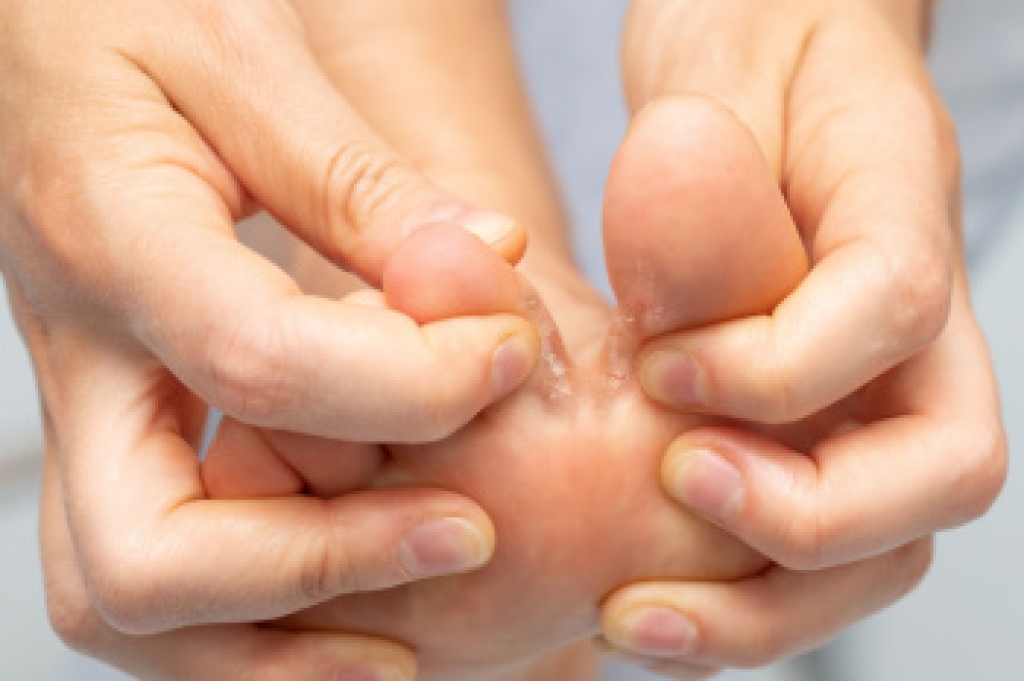
When Itching Between the Toes Will Not Go Away

Athlete’s foot is a common fungal infection that affects the skin of the feet, especially between the toes. It thrives in warm, moist environments such as sweaty shoes and locker rooms. The skin may look red, scaly, or cracked, and some areas can appear white and soggy. Many patients describe persistent itching, burning, or stinging that worsens after removing shoes. In more advanced cases, small blisters or peeling skin may develop, and the infection can spread to the soles or even the toenails. A podiatrist begins with a careful examination of the skin and may take a small sample to confirm the diagnosis. Treatment often includes prescription antifungal medication, guidance on proper foot hygiene, and recommendations for breathable footwear. Early care helps prevent recurrence and secondary bacterial infection. If you have athlete’s foot that does not improve or continues to return, it is suggested that you make an appointment with a podiatrist for proper treatment.

Athlete’s foot is an inconvenient condition that can be easily reduced with the proper treatment. If you have any concerns about your feet and ankles, contact Akena Wannamaker, DPM from ASW Foot and Ankle.  Our doctor will treat your foot and ankle needs.

Athlete’s Foot: The Sole Story

Athlete's foot, also known as tinea pedis, can be an extremely contagious foot infection. It is commonly contracted in public changing areas and bathrooms, dormitory style living quarters, around locker rooms and public swimming pools, or anywhere your feet often come into contact with other people.

Solutions to Combat Athlete’s Foot

  • Hydrate your feet by using lotion
  • Exfoliate
  • Buff off nails
  • Use of anti-fungal products
  • Examine your feet and visit your doctor if any suspicious blisters or cuts develop

Athlete’s foot can cause many irritating symptoms such as dry and flaking skin, itching, and redness. Some more severe symptoms can include bleeding and cracked skin, intense itching and burning, and even pain when walking. In the worst cases, Athlete’s foot can cause blistering as well. Speak to your podiatrist for a better understanding of the different causes of Athlete’s foot, as well as help in determining which treatment options are best for you.

If you have any questions please feel free to contact our office located in Richmond, VA . We offer the newest diagnostic and treatment technologies for all your foot and ankle needs.
Read more about How to Deal with Athlete's Foot

Gout Pain Can Be Managed

Gout is a painful, inflammatory form of arthritis. Those affected will typically feel an intense stiffness in the joints of their feet, particularly in the big toe. Schedule a visit to learn about how gout can be managed and treated.

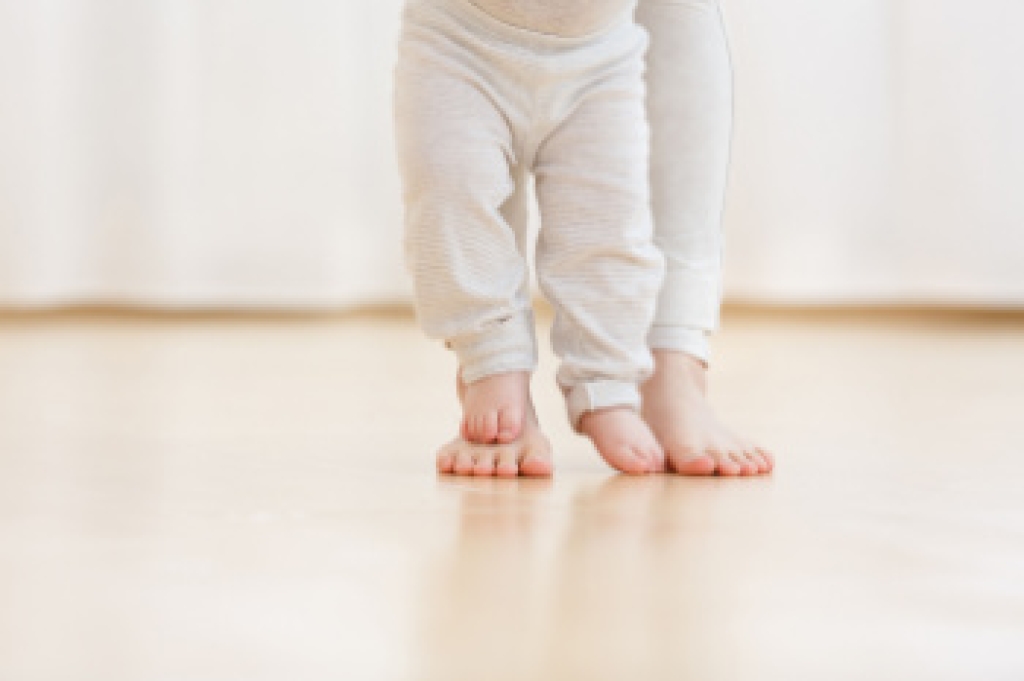
Understanding Abnormal Gait Patterns in Children

Abnormal gait patterns in children can signal underlying structural or neurological concerns. An antalgic gait occurs when a child shortens the stance phase to avoid pain, often due to injury or inflammation. A circumduction gait involves swinging the leg outward in a semicircle, which may result from muscle weakness or limb length differences. A spastic gait appears stiff and tight, commonly associated with increased muscle tone from neurological conditions. Additionally, a clumsy gait may include frequent tripping and poor coordination, sometimes linked to developmental delays or balance issues. Causes vary from minor injuries to more complex disorders. A podiatrist can evaluate walking patterns, identify underlying causes, and recommend treatment. If you notice your child has unusual walking patterns, it is strongly suggested that you consult a podiatrist who can provide an accurate diagnosis and offer effective treatment and management techniques.

The health of a child’s feet is vital to their overall well-being. If you have any questions regarding foot health, contact Akena Wannamaker, DPM of ASW Foot and Ankle. Our doctor can provide the care you need to keep you pain-free and on your feet.

Tips for Keeping Children's Feet Healthy

  • Make sure their shoes fit properly
  • Look for any signs of in-toeing or out-toeing
  • Check to see if they have Clubfoot (condition that affects your child’s foot and ankle, twisting the heel and toes inward) which is one of the most common nonmajor birth defects.
  • Lightly cover your baby’s feet (Tight covers may keep your baby from moving their feet freely, and could prevent normal development)
  • Allow your toddler to go shoeless (Shoes can be restricting for a young child’s foot)
  • Cut toenails straight across to avoid ingrown toenails
  • Keep your child’s foot clean and dry
  • Cover cuts and scrapes. Wash any scratches with soap and water and cover them with a bandage until they’ve healed.

If you have any questions, please feel free to contact our office located in Richmond, VA . We offer the newest diagnostic and treatment technologies for all your foot care needs.

Read more about How to Care for Your Child's Feet

Causes of Black Toenails in Runners

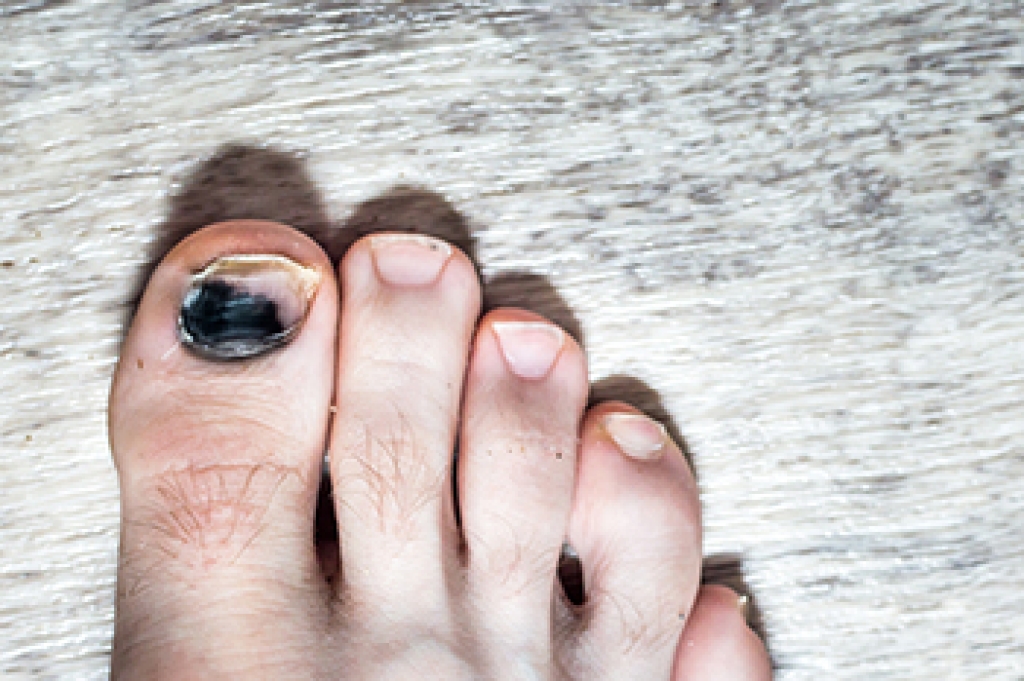
Black toenails are common in runners, usually resulting from repeated trauma to a toenail inside the shoe. While running, the toes strike the front or roof of the toe box, especially on downhill routes or long distances. This can cause bleeding beneath the nail, called a subungual hematoma. The dried blood produces a dark red or black appearance and may loosen the nail over time. Improper shoe length or width, excessive movement within the shoe, and swelling from heat or high-mileage add to pressure on the nail plate. Certain toes, particularly the big and second toes, absorb the greatest impact. Less common causes include chronic ingrown nails, fungal infection, toe deformities, or rarely tumors that also create discoloration. A podiatrist can evaluate the nail bed, relieve pressure, and guide a safe return to running while preventing nail deformity. If you notice unusual coloration in the toenails, it is suggested that you make an appointment with a podiatrist for an exam, diagnosis, and ongoing treatment.

All runners should take extra precaution when trying to avoid injury. If you have any concerns about your feet, contact Akena Wannamaker, DPM of ASW Foot and Ankle. Our doctor will treat your foot and ankle needs.

How to Prevent Running Injuries

There are a lot of mistakes a runner can make prior to a workout that can induce injury. A lot of athletes tend to overstretch before running, instead of saving those workouts for a post-run routine. Deep lunges and hand-to-toe hamstring pulls should be performed after a workout instead of during a warmup. Another common mistake is jumping into an intense routine before your body is physically prepared for it. You should try to ease your way into long-distance running instead of forcing yourself to rush into it.

More Tips for Preventing Injury

  • Incorporate Strength Training into Workouts - This will help improve the body’s overall athleticism
  • Improve and Maintain Your Flexibility – Stretching everyday will help improve overall performance
  • “Warm Up” Before Running and “Cool Down” Afterward – A warm up of 5-10 minutes helps get rid of lactic acid in the muscles and prevents delayed muscle soreness
  • Cross-Training is Crucial
  • Wear Proper Running Shoes
  • Have a Formal Gait Analysis – Poor biomechanics can easily cause injury

If you have any questions, please feel free to contact our office located in Richmond, VA . We offer the newest diagnostic and treatment technologies for all your foot care needs.

Read more about Preventing Running Injuries

Keeping Your Feet Healthy While Standing All Day at Work

Standing all day at work can place significant stress on the feet and lead to soreness, fatigue, and increased foot perspiration. Prolonged standing in one position may reduce circulation and strain muscles and joints. Wearing proper shoes is essential for providing support, cushioning, and breathability to reduce discomfort and moisture buildup. Prevention also includes changing static positioning, shifting weight between feet frequently, and allowing muscles to stay active. These habits can help minimize pressure and improve overall foot comfort throughout the workday. When pain or persistent issues develop, a podiatrist can evaluate foot health, recommend supportive footwear, and create personalized treatment plans. If you experience foot pain during your work day, it is suggested that you consult a podiatrist who can guide you toward effective relief and treatment strategies.

While working on the feet, it is important to take the proper care of them. For more information about working on your feet, contact Akena Wannamaker, DPM from ASW Foot and Ankle. Our doctor will treat your foot and ankle needs.

Working on Your Feet

Standing on your feet for long periods of time can cause stress and pain in your feet. Your whole body may experience change in terms of posture, back pain, bunions, callouses and or plantar warts. There are ways to avoid these conditions with proper foot care, smart choices and correct posture.

Positive Changes

Negative heeled shoe – Choosing this shoe type places the heel slightly lower than the ball of the foot. These are great for overall foot health. Find shoes that fit you correctly.

Go barefoot – Our feet were not designed to be enclosed for all hours of the day. Try to periodically expose your feet to air.

Eliminate Pain

Foot Exercises – Performing simple exercises, incorporating yoga and doing stretches are beneficial. This will allow increased blood flow to the area and muscles of the foot.

Achilles tendon – Stretching the foot out flat on the floor will relax the calf muscles and tendon. These exercises can be performed almost anywhere. Make sure you add these exercises to your daily regimen. 

With a little bit of this information and knowing more about foot health, you will notice changes. Foot stretches and proper footwear will help with pain and prevent further issues.

If you have any questions please contact our office located in Richmond, VA . We offer the newest diagnostic and treatment technologies for all your foot and ankle needs.
Read more about Working on Your Feet
scroll to top