
When to See a Podiatrist

Knowing when to see a podiatrist can help prevent minor foot concerns from progressing into more serious problems. Ongoing pain in the foot, toe, or ankle is a common reason to seek care, especially if it affects walking, standing, or daily activities. Changes in foot shape, recurring calluses or corns, nail disorders, heel discomfort, or swelling that does not improve should also be evaluated. Sports injuries, workplace strain, and age-related changes can place stress on bones, joints, tendons, and ligaments, leading to instability or limited movement. A podiatrist is medically trained to assess foot structure, identify underlying causes, and create an appropriate treatment plan. Options include footwear guidance, orthotics, targeted therapy, or other procedures depending on the problem. If you have foot, toe, or ankle problems, it is suggested that you make an appointment with a podiatrist for an exam, diagnosis, and treatment.

If you are experiencing pain in the feet or ankles, don’t join the stubborn majority refusing treatment. Feel free to contact Akena Wannamaker, DPM from ASW Foot and Ankle. Our doctor can provide the care you need to keep you pain-free and on your feet.

What Is a Podiatrist?

Someone would seek the care of a podiatrist if they have suffered a foot injury or have common foot ailments such as heal spurs, bunions, arch problems, deformities, ingrown toenails, corns, foot and ankle problems, etc.

Podiatric Treatment

A podiatrist will treat the problematic areas of the feet, ankle or lower leg by prescribing the following:

  • Physical therapy
  • Drugs
  • Orthotic inserts or soles
  • Surgery on lower extremity fractures

A common podiatric procedure a podiatrist will use is a scanner or force plate which will allow the podiatrist to know the designs of orthotics. Patients are then told to follow a series of tasks to complete the treatment. The computer will scan the foot a see which areas show weight distribution and pressure points. The podiatrist will read the analysis and then determine which treatment plans are available.

If you have any questions, please feel free to contact our office located in Richmond, VA . We offer the newest diagnostic and treatment technologies for all your foot care needs.

Read more about What is a Podiatrist?

When Diabetic Feet Feel Uncomfortable, Puffy, or Out of Balance

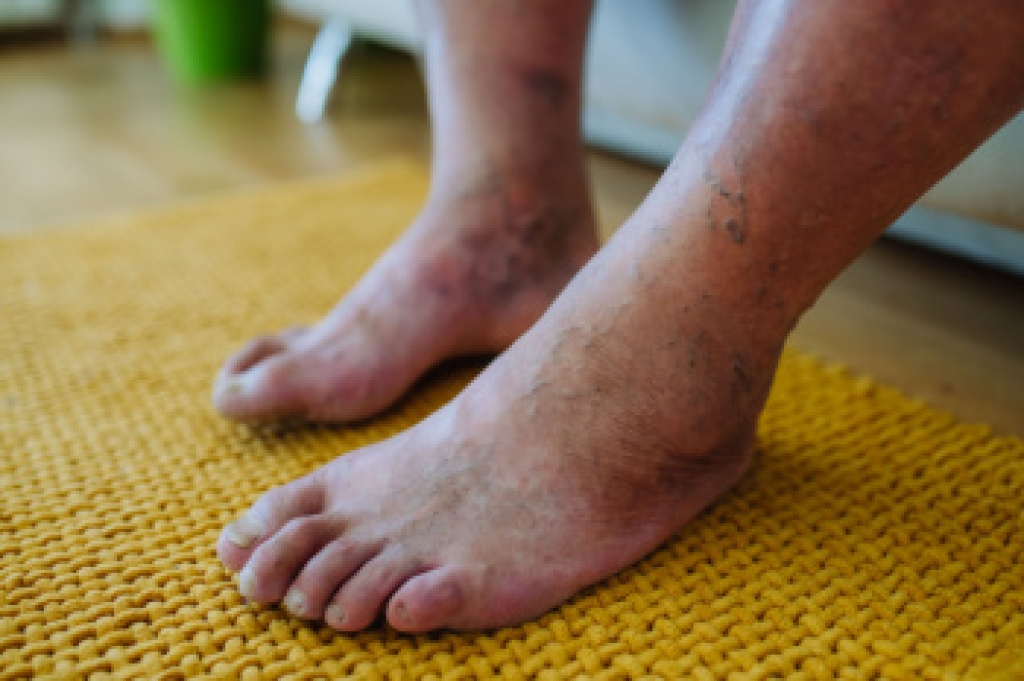
Diabetic feet can reveal a great deal about overall health, especially when they feel unusually cool, look enlarged, or develop rough, flaky skin. Changes in temperature may point to circulation concerns, while altered sensation can be related to nerve function. A puffy appearance around the feet or ankles often reflects fluid buildup, which may occur after long periods of standing or sitting, or in connection with vascular, heart, or medication-related issues. Skin that feels tight or irritated may signal reduced moisture, impaired blood flow, or environmental exposure. These signs often appear together because circulation, nerves, skin, and soft tissues are closely connected. If these changes are persistent, uncomfortable, or worsening, it is suggested that you see a podiatrist who can help identify the cause and guide appropriate treatment.

Diabetic foot care is important in preventing foot ailments such as ulcers. If you are suffering from diabetes or have any other concerns about your feet, contact Akena Wannamaker, DPM from ASW Foot and Ankle. Our doctor can provide the care you need to keep you pain-free and on your feet.

Diabetic Foot Care

Diabetes affects millions of people every year. The condition can damage blood vessels in many parts of the body, especially the feet. Because of this, taking care of your feet is essential if you have diabetes, and having a podiatrist help monitor your foot health is highly recommended.

The Importance of Caring for Your Feet

  • Routinely inspect your feet for bruises or sores.
  • Wear socks that fit your feet comfortably.
  • Wear comfortable shoes that provide adequate support.

Patients with diabetes should have their doctor monitor their blood levels, as blood sugar levels play such a huge role in diabetic care. Monitoring these levels on a regular basis is highly advised.

It is always best to inform your healthcare professional of any concerns you may have regarding your feet, especially for diabetic patients. Early treatment and routine foot examinations are keys to maintaining proper health, especially because severe complications can arise if proper treatment is not applied.

If you have any questions, please feel free to contact our office located in Richmond, VA . We offer the newest diagnostic and treatment technologies for all your foot care needs.

Read more about Diabetic Foot Conditions

Plantar Warts Can Be Treated!

Plantar warts are small growths that develop on parts of the feet that bear weight. They're typically found on the bottom of the foot. Don't live with plantar warts, and call us today!

How Gout Affects the Feet

Gout is a form of inflammatory arthritis caused by a buildup of uric acid crystals within the joints. It often develops when the body produces excess uric acid or has difficulty eliminating it efficiently. Common causes include dietary factors, dehydration, and certain medical conditions, while risk factors may involve family history, obesity, kidney disease, and some medications. Gout frequently affects the feet, especially the big toe joint, leading to sudden pain, swelling, redness, and warmth that can make walking difficult. A podiatrist can diagnose gout, help manage acute flare ups, reduce joint stress, and provide guidance on footwear and preventive care. If you have symptoms of gout, it is strongly suggested that you are under the care of a podiatrist who can help you to manage this painful condition.

Gout is a painful condition that can be treated. If you are seeking treatment, contact Akena Wannamaker, DPM from ASW Foot and Ankle. Our doctor will treat your foot and ankle needs.

What Is Gout?

Gout is a form of arthritis that is characterized by sudden, severe attacks of pain, redness, and tenderness in the joints. The condition usually affects the joint at the base of the big toe. A gout attack can occur at any random time, such as the middle of the night while you are asleep.

Symptoms

  • Intense Joint Pain - Usually around the large joint of your big toe, and it most severe within the first four to twelve hours
  • Lingering Discomfort - Joint discomfort may last from a few days to a few weeks
  • Inflammation and Redness -Affected joints may become swollen, tender, warm and red
  • Limited Range of Motion - May experience a decrease in joint mobility

Risk Factors

  • Genetics - If family members have gout, you’re more likely to have it
  • Medications - Diuretic medications can raise uric acid levels
  • Gender/Age - Gout is more common in men until the age of 60. It is believed that estrogen protects women until that point
  • Diet - Eating red meat and shellfish increases your risk
  • Alcohol - Having more than two alcoholic drinks per day increases your risk
  • Obesity - Obese people are at a higher risk for gout

Prior to visiting your podiatrist to receive treatment for gout, there are a few things you should do beforehand. If you have gout you should write down your symptoms--including when they started and how often you experience them, important medical information you may have, and any questions you may have. Writing down these three things will help your podiatrist in assessing your specific situation so that he or she may provide the best route of treatment for you.

If you have any questions, please feel free to contact our office located in Richmond, VA . We offer the newest diagnostic and treatment technologies for all your foot care needs.

Read more about Gout

Red and Shiny Lesions on Children’s Feet

Dry, red, shiny patches on a child’s feet can look alarming, but several conditions may cause this appearance. One common source is juvenile plantar dermatosis, a condition that creates smooth, reddish areas on the forefoot due to friction, sweat, and tight footwear. Eczema can also create irritated, dry patches that become shiny when the skin is inflamed. Some children react to detergents, shoe materials, or dyes, leading to contact dermatitis that appears as bright, irritated skin. Although less frequent in younger children, fungal infections may cause peeling, redness, and discomfort. Psoriasis can occasionally involve the feet as well, creating distinct shiny plaques. Rarely, certain illnesses that cause redness and swelling of the feet may be involved. A podiatrist can identify the cause, guide treatment, and recommend ways to protect the skin. If your child’s symptoms continue or worsen, it is suggested that you see a podiatrist for an accurate diagnosis and effective treatment solutions.

Making sure that your children maintain good foot health is very important as they grow. If you have any questions, contact Akena Wannamaker, DPM of ASW Foot and Ankle. Our doctor can provide the care you need to keep you pain-free and on your feet.

Keeping Children's Feet Healthy

Having healthy feet during childhood can help prevent medical problems later in life, namely in the back and legs. As children grow, their feet require different types of care. Here are some things to consider...

Although babies do not walk yet, it is still very important to take care of their feet.

Avoid putting tight shoes or socks on his or her feet.

Allow the baby to stretch and kick his or her feet to feel comfortable.

As a toddler, kids are now on the move and begin to develop differently. At this age, toddlers are getting a feel for walking, so don’t be alarmed if your toddler is unsteady or ‘walks funny’. 

As your child gets older, it is important to teach them how to take care of their feet.

Show them proper hygiene to prevent infections such as fungus.

Be watchful for any pain or injury.

Have all injuries checked by a doctor as soon as possible.

Comfortable, protective shoes should always be worn, especially at play.

If you have any questions, please feel free to contact our office located in Richmond, VA . We offer the newest diagnostic and treatment technologies for all your foot care needs.

Read more about What to Do to Keep Your Child’s Feet Healthy
scroll to top