
When to See a Podiatrist for Heel Pain in Children

When children experience heel pain, it can interfere with their ability to play, walk comfortably, or participate in daily activities. One of the most common causes is Sever disease, an inflammation of the growth plate in the heel that often develops during growth spurts. Other possible issues include overuse injuries, poorly fitting shoes, flat feet, or biomechanical imbalances that place added strain on the heel. Although heel discomfort in children is often temporary, it should never be ignored, especially if the pain persists, worsens with activity, or changes the way a child walks. Early evaluation allows a podiatrist to determine the underlying cause and recommend appropriate care, which may include activity modifications, stretching, wearing supportive footwear, or custom orthotics. It is suggested you see a podiatrist if your child has ongoing heel pain or difficulty walking without discomfort.

Many people suffer from bouts of heel pain. For more information, contact Akena Wannamaker, DPM of ASW Foot and Ankle. Our doctor can provide the care you need to keep you pain-free and on your feet.

Causes of Heel Pain

Heel pain is often associated with plantar fasciitis. The plantar fascia is a band of tissues that extends along the bottom of the foot. A rip or tear in this ligament can cause inflammation of the tissue.

Achilles tendonitis is another cause of heel pain. Inflammation of the Achilles tendon will cause pain from fractures and muscle tearing. Lack of flexibility is also another symptom.

Heel spurs are another cause of pain. When the tissues of the plantar fascia undergo a great deal of stress, it can lead to ligament separation from the heel bone, causing heel spurs.

Why Might Heel Pain Occur?

  • Wearing ill-fitting shoes                
  • Wearing non-supportive shoes
  • Weight change           
  • Excessive running

Treatments

Heel pain should be treated as soon as possible for immediate results. Keeping your feet in a stress-free environment will help. If you suffer from Achilles tendonitis or plantar fasciitis, applying ice will reduce the swelling. Stretching before an exercise like running will help the muscles. Using all these tips will help make heel pain a condition of the past.

If you have any questions, please feel free to contact our office located in Richmond, VA . We offer the newest diagnostic and treatment technologies for all your foot care needs.


Read more about Heel Pain

Sever’s Disease in Children and Podiatric Care

Sever’s disease is a common cause of heel pain in growing children and adolescents, occurring when the growth plate in the heel becomes irritated from repeated stress. Risk factors include rapid growth, high impact sports, tight calf muscles, flat or high arched feet, and footwear that lacks propersupport. Symptoms often include heel pain that worsens with activity, tenderness at the back or bottom of the heel, limping, stiffness after rest, and discomfort when squeezing the heel. A podiatrist can help by confirming the diagnosis and creating a treatment plan focused on reducing pain and inflammation. Care may include activity modification, stretching programs, custom orthotics, supportive footwear guidance, and education for injury prevention. If your child is experiencing heel pain that affects sports or daily activities, it is suggested that you consult a podiatrist who can accurately diagnose and treat what may be going on. 

Sever's disease often occurs in children and teens. If your child is experiencing foot or ankle pain, see Akena Wannamaker, DPM from ASW Foot and Ankle. Our doctor can treat your child’s foot and ankle needs.

Sever’s Disease

Sever’s disease is also known as calcaneal apophysitis, which is a medical condition that causes heel pain I none or both feet. The disease is known to affect children between the ages of 8 and 14.

Sever’s disease occurs when part of the child’s heel known as the growth plate (calcaneal epiphysis) is attached to the Achilles tendon. This area can suffer injury when the muscles and tendons of the growing foot do not keep pace with bone growth. Therefore, the constant pain which one experiences at the back of the heel will make the child unable to put any weight on the heel. The child is then forced to walk on their toes.

Symptoms

Acute pain – Pain associated with Sever’s disease is usually felt in the heel when the child engages in physical activity such as walking, jumping and or running.

Highly active – Children who are very active are among the most susceptible in experiencing Sever’s disease, because of the stress and tension placed on their feet.

If you have any questions, please feel free to contact our office located in Richmond, VA . We offer the newest diagnostic and treatment technologies for all your foot care needs.
Read more about Sever's Disease

Are Bunions Affecting Your Everyday Life?

Have you noticed a bony protrusion on the side of your big toe? If so, you may have developed the foot condition known as a bunion. Don't let bunions interfere with your daily activities.

Diabetic Foot Infections and Podiatric Care

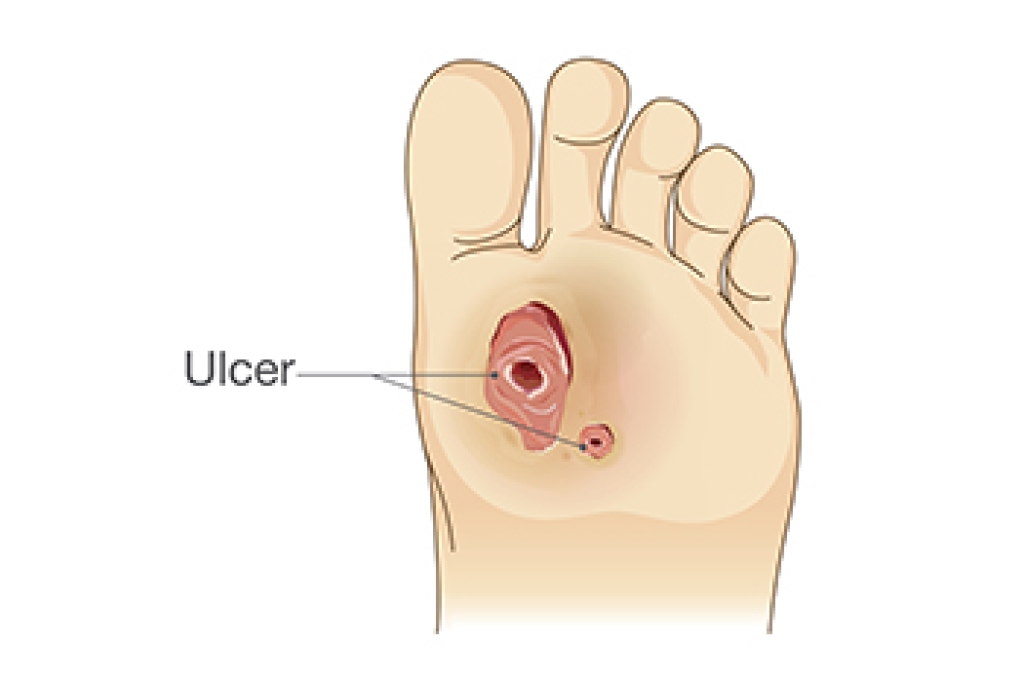
A diabetic foot infection is a serious condition that develops when bacteria enter the skin through a cut, blister, or ulcer on the foot of a person with diabetes. Reduced circulation and nerve damage can delay healing and allow infections to worsen quickly. Common causes include untreated wounds, poor foot hygiene, pressure points, and wearing improper footwear. Symptoms may include redness, swelling, warmth, pain, drainage, foul odor, or slow healing sores. Risk factors include poor blood sugar control, neuropathy, peripheral vascular disease, and a history of foot ulcers. A podiatrist can help by diagnosing the infection early, providing wound care, prescribing appropriate treatment, and preventing complications through regular foot exams and education. If you have diabetes and notice any changes or wounds on your feet, it is strongly suggested that you are under the care of a podiatrist who can help you to manage this serious condition.

Diabetic foot care is important in preventing foot ailments such as ulcers. If you are suffering from diabetes or have any other concerns about your feet, contact Akena Wannamaker, DPM from ASW Foot and Ankle. Our doctor can provide the care you need to keep you pain-free and on your feet.

Diabetic Foot Care

Diabetes affects millions of people every year. The condition can damage blood vessels in many parts of the body, especially the feet. Because of this, taking care of your feet is essential if you have diabetes, and having a podiatrist help monitor your foot health is highly recommended.

The Importance of Caring for Your Feet

  • Routinely inspect your feet for bruises or sores.
  • Wear socks that fit your feet comfortably.
  • Wear comfortable shoes that provide adequate support.

Patients with diabetes should have their doctor monitor their blood levels, as blood sugar levels play such a huge role in diabetic care. Monitoring these levels on a regular basis is highly advised.

It is always best to inform your healthcare professional of any concerns you may have regarding your feet, especially for diabetic patients. Early treatment and routine foot examinations are keys to maintaining proper health, especially because severe complications can arise if proper treatment is not applied.

If you have any questions, please feel free to contact our office located in Richmond, VA . We offer the newest diagnostic and treatment technologies for all your foot care needs.

Read more about Diabetic Foot Care

When Every Step Hurts

Foot pain can arise from several common conditions that quietly worsen over time, including ingrown toenails, corns, bunions, and hammertoes. These problems may look like red swollen nail edges, thickened skin bumps, bony protrusions, or curled toes that rub against shoes. They can feel sharp, burning, throbbing, or stiff, making walking uncomfortable and limiting daily activity. Causes often include poorly fitting footwear, inherited foot shape, repetitive pressure, or improper nail trimming. A podiatrist begins by carefully examining the foot to identify the source of pain and rule out infection or structural damage. From there, treatment may include safe nail or skin care, custom orthotics or padding to reduce pressure, and corrective procedures when needed. Early care helps prevent complications and restores comfort. Understanding the cause of discomfort is the first step toward lasting relief. If you have foot pain, it is suggested that you make an appointment with a podiatrist.

Foot Pain

Foot pain can be extremely painful and debilitating. If you have a foot pain, consult with Akena Wannamaker, DPM from ASW Foot and Ankle. Our doctor will assess your condition and provide you with quality foot and ankle treatment.

Causes

Foot pain is a very broad condition that could be caused by one or more ailments. The most common include:

  • Bunions
  • Hammertoes
  • Plantar Fasciitis
  • Bone Spurs
  • Corns
  • Tarsal Tunnel Syndrome
  • Ingrown Toenails
  • Arthritis (such as Gout, Rheumatoid, and Osteoarthritis)
  • Flat Feet
  • Injury (from stress fractures, broken toe, foot, ankle, Achilles tendon ruptures, and sprains)
  • And more

Diagnosis

To figure out the cause of foot pain, podiatrists utilize several different methods. This can range from simple visual inspections and sensation tests to X-rays and MRI scans. Prior medical history, family medical history, and any recent physical traumatic events will all be taken into consideration for a proper diagnosis.

Treatment

Treatment depends upon the cause of the foot pain. Whether it is resting, staying off the foot, or having surgery; podiatrists have a number of treatment options available for foot pain.

If you have any questions, please feel free to contact our office located in Richmond, VA . We offer the newest diagnostic and treatment technologies for all your foot care needs.

Read more about Foot Pain
scroll to top