Runners and Cuboid Syndrome

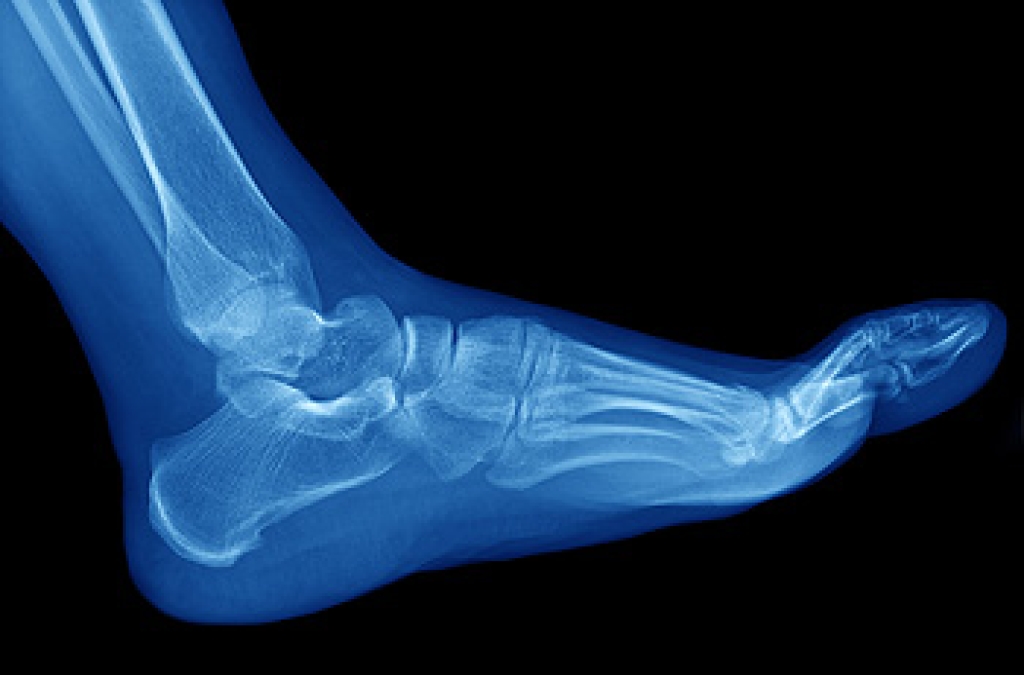
One of seven tarsal bones in the foot is referred to as the cuboid bone. It is found on the outside of the foot, has six sides, and resembles a cube. It enables the foot to maintain stability, and can be partially responsible for distributing body weight. The cuboid bone resembles a pulley, and functions with other bones in the foot. The condition that is known as cuboid syndrome commonly affects athletes and ballet dancers. These groups of people may be prone to ankle sprains, and as a result, the cuboid bone may become injured. Mild relief may be felt when the affected foot is elevated, and it may be beneficial to wrap an elastic bandage around the foot which can help to stabilize the ankle. If you have cuboid syndrome, please consult with a podiatrist who can effectively treat this ailment as quickly as possible.

Cuboid syndrome, also known as cuboid subluxation, occurs when the joints and ligaments near the cuboid bone in the foot become torn. If you have cuboid syndrome, consult with Akena Wannamaker, DPM from ASW Foot and Ankle. Our doctor will assess your condition and provide you with quality foot and ankle treatment.

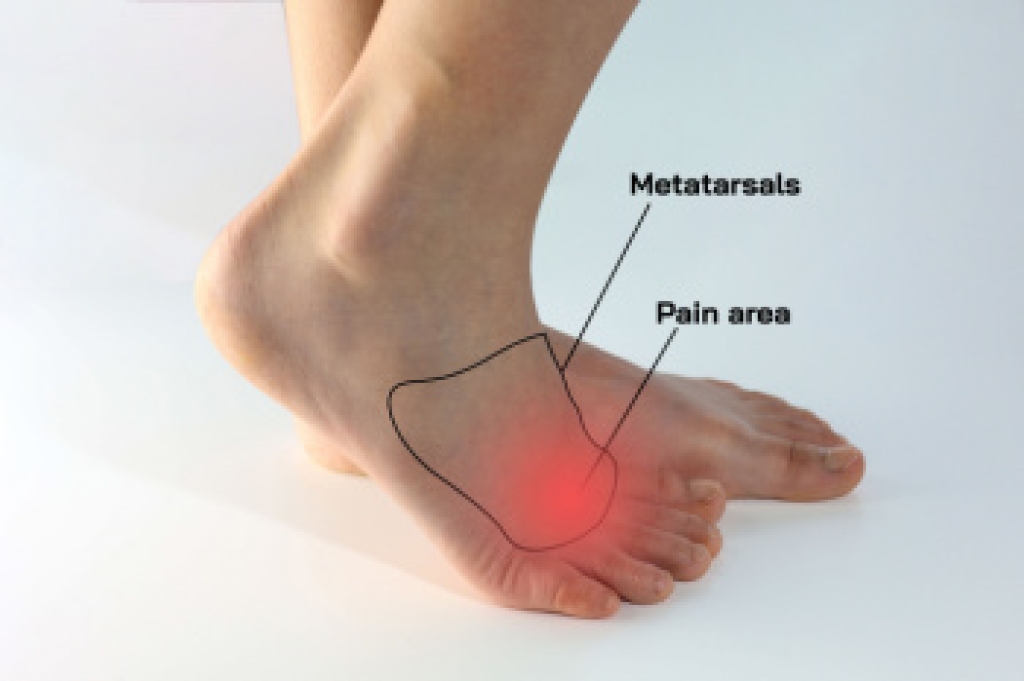
Cuboid syndrome is a common cause of lateral foot pain, which is pain on the outside of the foot. The condition may happen suddenly due to an ankle sprain, or it may develop slowly overtime from repetitive tension through the bone and surrounding structures.

Causes

The most common causes of cuboid syndrome include:

  • Injury – The most common cause of this ailment is an ankle sprain.
  • Repetitive Strain – Tension placed through the peroneus longus muscle from repetitive activities such as jumping and running may cause excessive traction on the bone causing it to sublux.
  • Altered Foot Biomechanics – Most people suffering from cuboid subluxation have flat feet.

Symptoms

A common symptom of cuboid syndrome is pain along the outside of the foot which can be felt in the ankle and toes. This pain may create walking difficulties and may cause those with the condition to walk with a limp.

Diagnosis

Diagnosis of cuboid syndrome is often difficult, and it is often misdiagnosed. X-rays, MRIs and CT scans often fail to properly show the cuboid subluxation. Although there isn’t a specific test used to diagnose cuboid syndrome, your podiatrist will usually check if pain is felt while pressing firmly on the cuboid bone of your foot.

Treatment

Just as the range of causes varies widely, so do treatments. Some more common treatments are ice therapy, rest, exercise, taping, and orthotics.

If you have any questions, please feel free to contact our office located in Richmond, VA . We offer the newest diagnostic and treatment technologies for all your foot care needs.
Read more about Cuboid Syndrome

Facts About Morton’s Neuroma

Morton’s neuroma is a painful condition caused by thickening of the nerve tissue between the toes, most often between the third and fourth toes. It develops when the nerve is irritated or compressed, leading to burning pain, numbness, or the feeling of a pebble in the shoe. Causes include repeated pressure on the forefoot, tight shoes, and activities that involve high impact. Risk factors include flat feet, high arches, bunions, and hammertoes, which can all change how weight is distributed across the foot. A podiatrist can diagnose the condition, relieve pressure on the nerve, recommend proper footwear, and provide targeted treatment to reduce symptoms. If you have pain in this part of your foot, it is suggested that you schedule a visit with a podiatrist who can provide an accurate diagnosis and appropriate treatment. 

Morton’s neuroma is a very uncomfortable condition to live with. If you think you have Morton’s neuroma, contact Akena Wannamaker, DPM of ASW Foot and Ankle. Our doctor will attend to all of your foot care needs and answer any of your related questions.  

Morton’s Neuroma

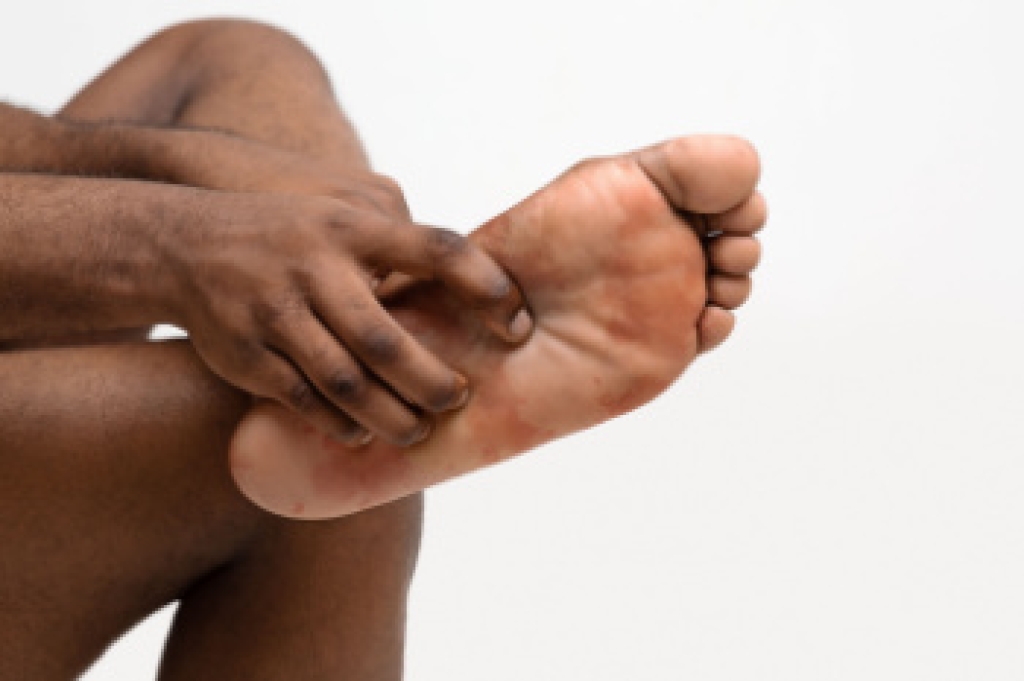
Morton's neuroma is a painful foot condition that commonly affects the areas between the second and third or third and fourth toe, although other areas of the foot are also susceptible. Morton’s neuroma is caused by an inflamed nerve in the foot that is being squeezed and aggravated by surrounding bones.

What Increases the Chances of Having Morton’s Neuroma?

  • Ill-fitting high heels or shoes that add pressure to the toe or foot
  • Jogging, running or any sport that involves constant impact to the foot
  • Flat feet, bunions, and any other foot deformities

Morton’s neuroma is a very treatable condition. Orthotics and shoe inserts can often be used to alleviate the pain on the forefront of the feet. In more severe cases, corticosteroids can also be prescribed. In order to figure out the best treatment for your neuroma, it’s recommended to seek the care of a podiatrist who can diagnose your condition and provide different treatment options.

If you have any questions, please feel free to contact our office located in Richmond, VA . We offer the newest diagnostic and treatment technologies for all your foot care needs.
Read more about Morton's Neuroma

Heel Pain From Plantar Fasciitis

Plantar fasciitis is a common cause of heel pain that occurs when the thick band of tissue connecting the heel to the toes becomes inflamed. This is often due to overuse, improper footwear, obesity, or high-impact activities, such as running or jumping. The heel may look normal from the outside, but it can be tender to the touch and feel swollen in severe cases. Many individuals describe a sharp, stabbing pain with the first steps in the morning or after prolonged sitting, which can ease slightly with activity but worsen later in the day. Plantar fasciitis affects nearly 10 percent of the population at some point in their lives, making it one of the most common foot disorders. A podiatrist can diagnose the condition through a physical examination and gait analysis. Treatment may include stretching exercises, orthotics, supportive footwear, anti-inflammatory therapies, or advanced interventions for chronic cases. Early professional care helps reduce pain and prevent long-term complications. If you experience persistent heel discomfort, it is suggested that you make an appointment with a podiatrist.

Plantar fasciitis is a common foot condition that is often caused by a strain injury. If you are experiencing heel pain or symptoms of plantar fasciitis, contact Akena Wannamaker, DPM from ASW Foot and Ankle. Our doctor can provide the care you need to keep you pain-free and on your feet.

What Is Plantar Fasciitis?

Plantar fasciitis is one of the most common causes of heel pain. The plantar fascia is a ligament that connects your heel to the front of your foot. When this ligament becomes inflamed, plantar fasciitis is the result. If you have plantar fasciitis you will have a stabbing pain that usually occurs with your first steps in the morning. As the day progresses and you walk around more, this pain will start to disappear, but it will return after long periods of standing or sitting.

What Causes Plantar Fasciitis?

  • Excessive running
  • Having high arches in your feet
  • Other foot issues such as flat feet
  • Pregnancy (due to the sudden weight gain)
  • Being on your feet very often

There are some risk factors that may make you more likely to develop plantar fasciitis compared to others. The condition most commonly affects adults between the ages of 40 and 60. It also tends to affect people who are obese because the extra pounds result in extra stress being placed on the plantar fascia.

Prevention

  • Take good care of your feet – Wear shoes that have good arch support and heel cushioning.
  • Maintain a healthy weight
  • If you are a runner, alternate running with other sports that won’t cause heel pain

There are a variety of treatment options available for plantar fasciitis along with the pain that accompanies it. Additionally, physical therapy is a very important component in the treatment process. It is important that you meet with your podiatrist to determine which treatment option is best for you.

If you have any questions, please feel free to contact our office located in Richmond, VA . We offer the newest diagnostic and treatment technologies for all your foot care needs.

 

Read more about Plantar Fasciitis

Keeping Senior Feet Healthy and Comfortable

As we age, our feet naturally lose cushioning, flexibility, and circulation, making them more vulnerable to pain and injury. Seniors can maintain healthy feet by washing and drying them daily, moisturizing to prevent cracks, and trimming nails straight across to avoid ingrown toenails. Wearing properly fitted shoes with good support reduces pressure points and improves balance. Regularly checking the feet for sores, swelling, or color changes helps catch problems early, especially for those with diabetes or poor circulation. Gentle stretching and light exercise promote flexibility and blood flow, keeping the feet strong and mobile. A podiatrist can assist with routine foot care for seniors, monitor any underlying conditions, and recommend footwear or custom orthotics, when needed. If you are a senior, it is suggested that you have consistent professional checkups by a podiatrist to help you stay active, comfortable, and independent for years to come.

Proper foot care is something many older adults forget to consider. If you have any concerns about your feet and ankles, contact Akena Wannamaker, DPM from ASW Foot and Ankle. Our doctor can provide the care you need to keep you pain-free and on your feet.

The Elderly and Their Feet

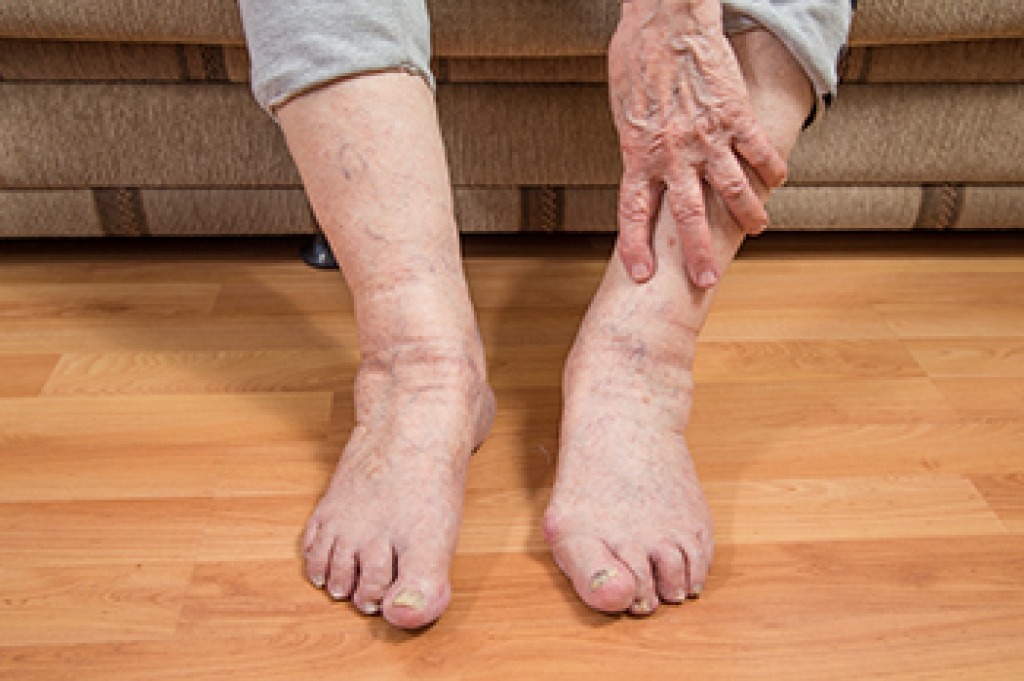
As we age we start to notice many changes in our body, but the elder population may not notice them right away. Medical conditions may prevent the elderly to take notice of their foot health right away. Poor vision is a lead contributor to not taking action for the elderly.

Common Conditions 

  • Neuropathy – can reduce feeling in the feet and can hide many life-threatening medical conditions.
  • Reduced flexibility – prevents the ability of proper toenail trimming, and foot cleaning. If left untreated, it may lead to further medical issues.
  • Foot sores – amongst the older population can be serious before they are discovered. Some of the problematic conditions they may face are:
  • Gouging toenails affecting nearby toe
  • Shoes that don’t fit properly
  • Pressure sores
  • Loss of circulation in legs & feet
  • Edema & swelling of feet and ankles

Susceptible Infections

Diabetes and poor circulation can cause general loss of sensitivity over the years, turning a simple cut into a serious issue.

If you have any questions, please feel free to contact our office located in Richmond, VA . We offer the newest diagnostic and treatment technologies for all your foot care needs.

Read more about Elderly and their Feet

Ease Painful Feet With Orthotics

Custom orthotics can be used to relieve foot pain and discomfort. They're also used to treat various foot conditions and deformities. Flat feet, bunions, and Morton's neuroma are just a few of the foot conditions that have been known to benefit from the use of orthotics.

Comfy feet are happy feet! Contact us today.

scroll to top