
Restoring Comfort and Function Through Bunion Surgery

Bunions are bony bumps that form at the base of the big toe, often caused by genetics, improper footwear, arthritis, or abnormal foot mechanics. They may look like a bump on the side of the foot, and the area can be red, swollen, or callused from friction. Many individuals experience severe pain, difficulty wearing shoes, and decreased activity levels due to discomfort while walking or standing. Bunions affect women more frequently than men, partly due to high-heeled or narrow shoes that place additional pressure on the joint. A podiatrist can start by evaluating the severity of the bunion, assessing foot structure, and discussing nonsurgical options, such as orthotics, padding, or footwear modifications. When conservative measures are insufficient, surgical correction may be recommended to realign the joint and relieve pain. Post surgery, a structured recovery plan and targeted exercises support optimal healing and restored mobility. If bunion pain limits your daily activities, it is suggested that you make an appointment with a podiatrist.

If you are suffering from bunions, contact Akena Wannamaker, DPM of ASW Foot and Ankle. Our doctor can provide the care you need to keep you pain-free and on your feet.

What Is a Bunion?

A bunion is formed of swollen tissue or an enlargement of boney growth, usually located at the base joint of the toe that connects to the foot. The swelling occurs due to the bones in the big toe shifting inward, which impacts the other toes of the foot. This causes the area around the base of the big toe to become inflamed and painful.

Why Do Bunions Form?

Genetics – Susceptibility to bunions are often hereditary

Stress on the feet – Poorly fitted and uncomfortable footwear that places stress on feet, such as heels, can worsen existing bunions

How Are Bunions Diagnosed?

Podiatrists often perform two tests – blood tests and x-rays – when trying to diagnose bunions, especially in the early stages of development. Blood tests help determine if the foot pain is being caused by something else, such as arthritis, while x-rays provide a clear picture of your bone structure to your provider.

How Are Bunions Treated?

  • Refrain from wearing heels or similar shoes that cause discomfort
  • Select wider shoes that can provide more comfort and reduce pain
  • Anti-inflammatory and pain management drugs
  • Orthotics or foot inserts
  • Surgery

If you have any questions, please feel free to contact our office located in Richmond, VA . We offer the newest diagnostic and treatment technologies for all your foot care needs.
Read more about Bunions

The Symptoms of an Ingrown Toenail

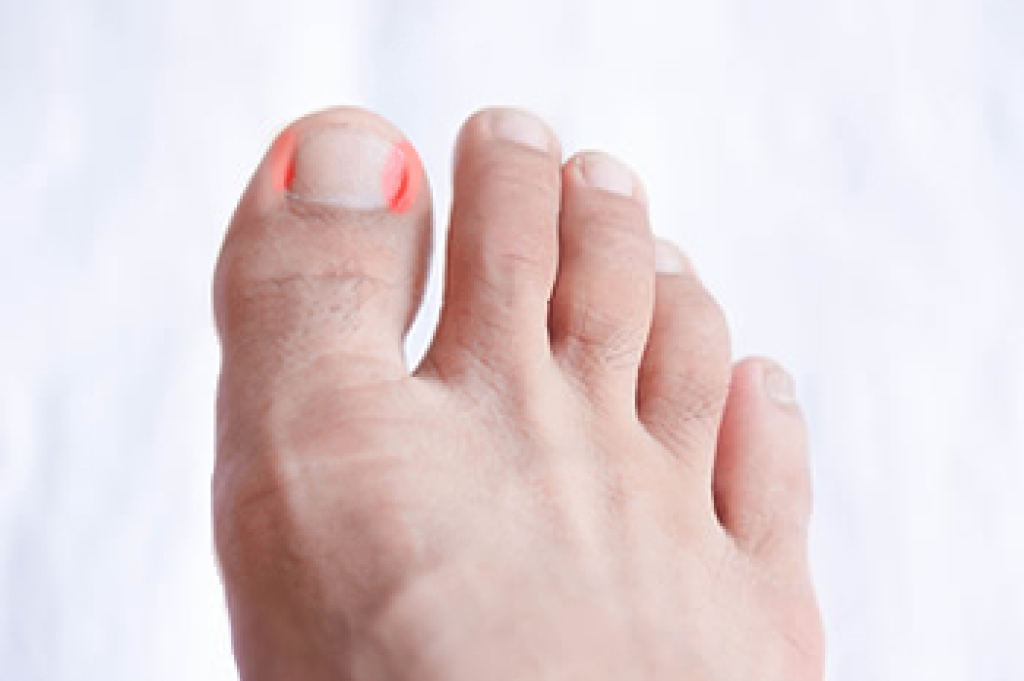
There are various reasons why patients can develop an ingrown toenail. These can include incorrectly trimming the toenails, genetic predisposition, and wearing shoes that do not fit properly. Many patients have symptoms such as redness and tenderness surrounding the ingrown toenail, and an infected toe may cause pus to drain from it. Mild relief may be found when the foot is soaked in warm water, and it may help to wear larger shoes. The feet can feel better when they are clean and dry, and it may help to apply an antibacterial ointment. If you have developed an ingrown toenail, it is suggested that you seek the counsel of a podiatrist who can properly treat this condition.

Ingrown toenails may initially present themselves as a minor discomfort, but they may progress into an infection in the skin without proper treatment. For more information about ingrown toenails, contact Akena Wannamaker, DPM of ASW Foot and Ankle. Our doctor can provide the care you need to keep you pain-free and on your feet.

Ingrown Toenails

Ingrown toenails are caused when the corner or side of a toenail grows into the soft flesh surrounding it. They often result in redness, swelling, pain, and in some cases, infection. This condition typically affects the big toe and may recur if it is not treated properly.

Causes

  • Improper toenail trimming
  • Genetics
  • Improper shoe fitting
  • Injury from pedicures or nail picking
  • Abnormal gait
  • Poor hygiene

You are more likely to develop an ingrown toenail if you are obese, have diabetes, arthritis, or have any fungal infection in your nails. Additionally, people who have foot or toe deformities are at a higher risk of developing an ingrown toenail.

Symptoms

Some symptoms of ingrown toenails are redness, swelling, and pain. In rare cases, there may be a yellowish drainage coming from the nail.

Treatment

Ignoring an ingrown toenail can have serious complications. Infections of the nail border can progress to a deeper soft-tissue infection, which can then turn into a bone infection. You should always speak with your podiatrist if you suspect you have an ingrown toenail, especially if you have diabetes or poor circulation.

If you have any questions, please feel free to contact our office located in Richmond, VA . We offer the newest diagnostic and treatment technologies for all your foot care needs.

Read more about Ingrown Toenails

Facts About Toenail Fungus

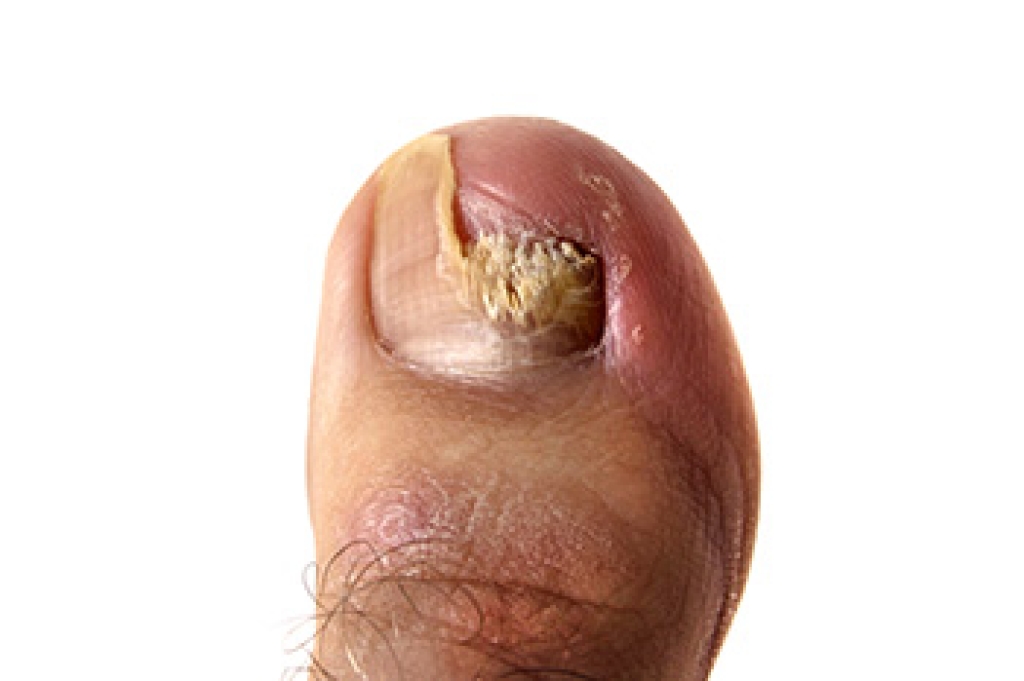
Toenail fungus is a common infection that affects the nails of the feet and causes changes in appearance and texture. It develops when fungi enter the nail through small cracks or separation from the nail bed. Common symptoms include thickened nails, discoloration ranging from yellow to brown, brittleness, crumbling edges, and an unpleasant odor. The nail may become distorted and difficult to trim, leading to discomfort while walking or wearing shoes. Causes of toenail fungus include moist environments, sweaty feet, shared public spaces, and weakened immunity. A podiatrist can accurately diagnose the infection and recommend effective treatment options, including topical care, oral medication, or in-office procedures. They can also provide guidance on proper foot hygiene to prevent recurrence. If you notice changes in your toenails or have nail discomfort, it is suggested that you schedule an appointment with a podiatrist who can effectively treat this condition, which may include prescribed medication.

If left untreated, toenail fungus may spread to other toenails, skin, or even fingernails. If you suspect you have toenail fungus it is important to seek treatment right away. For more information about treatment, contact Akena Wannamaker, DPM of ASW Foot and Ankle. Our doctor can provide the care you need to keep you pain-free and on your feet.

Symptoms

  • Warped or oddly shaped nails
  • Yellowish nails
  • Loose/separated nail
  • Buildup of bits and pieces of nail fragments under the nail
  • Brittle, broken, thickened nail

Treatment

If self-care strategies and over-the-counter medications does not help your fungus, your podiatrist may give you a prescription drug instead. Even if you find relief from your toenail fungus symptoms, you may experience a repeat infection in the future.

Prevention

In order to prevent getting toenail fungus in the future, you should always make sure to wash your feet with soap and water. After washing, it is important to dry your feet thoroughly especially in between the toes. When trimming your toenails, be sure to trim straight across instead of in a rounded shape. It is crucial not to cover up discolored nails with nail polish because that will prevent your nail from being able to “breathe”.

In some cases, surgical procedure may be needed to remove the toenail fungus. Consult with your podiatrist about the best treatment options for your case of toenail fungus.  

If you have any questions please contact our office located in Richmond, VA . We offer the newest diagnostic and treatment technologies for all your foot and ankle needs.

Read more about Treating Toenail Fungus

Inspect Your Feet Regularly for Abnormalities if You're Diabetic

Diabetic patients often have decreased sensitivity in their feet, which makes a visual inspection of the feet even more important. If you're diabetic, having periodic screenings is extremely important for maintaining the overall health of your feet. 

Swollen Feet and Ankles While Pregnant

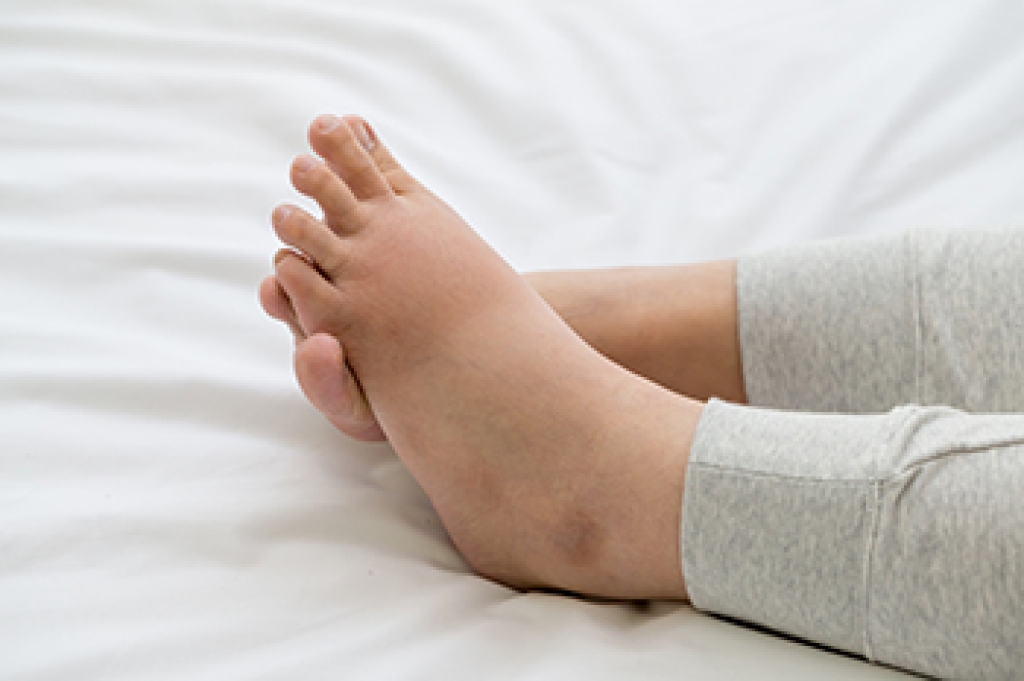
Swollen feet and ankles during pregnancy can develop when the body holds extra fluid as the growing uterus places pressure on blood vessels that support circulation in the lower legs. This shift can lead to puffiness around the toes, arches, and ankles, especially later in the day or after standing for long periods of time. Some women also notice their feet feel tight in shoes that lack adequate support, like flip-flops, which can add to discomfort. While gradual swelling is often linked to normal physical changes, a sudden increase in swelling in the feet or ankles can signal a problem that requires prompt evaluation. A podiatrist can assess foot structure, check circulation, and recommend safe options, including supportive footwear or orthotics. If you have excessive swelling in your feet and ankles, it is suggested that you schedule an appointment with a podiatrist for a diagnosis and appropriate treatment.

Pregnant women with swollen feet can be treated with a variety of different methods that are readily available. For more information about other cures for swollen feet during pregnancy, consult with Akena Wannamaker, DPM from ASW Foot and Ankle. Our doctor will attend to all of your foot and ankle needs.

What Foot Problems Can Arise During Pregnancy?

One problem that can occur is overpronation, which occurs when the arch of the foot flattens and tends to roll inward.  This can cause pain and discomfort in your heels while you’re walking or even just standing up, trying to support your baby.  

Another problem is edema, or swelling in the extremities. This often affects the feet during pregnancy but tends to occur in the later stages. 

How Can I Keep My Feet Healthy During Pregnancy?

  • Wearing orthotics can provide extra support for the feet and help distribute weight evenly
  • Minimize the amount of time spent walking barefoot
  • Wear shoes with good arch support
  • Wear shoes that allow for good circulation to the feet
  • Elevate feet if you experience swelling
  • Massage your feet
  • Get regular, light exercise, such as walking, to promote blood circulation to the feet

If you have any questions, please feel free to contact our office located in Richmond, VA . We offer the newest diagnostic and treatment technologies for all your foot care needs.
Read more about Pregnancy and Foot Health
scroll to top