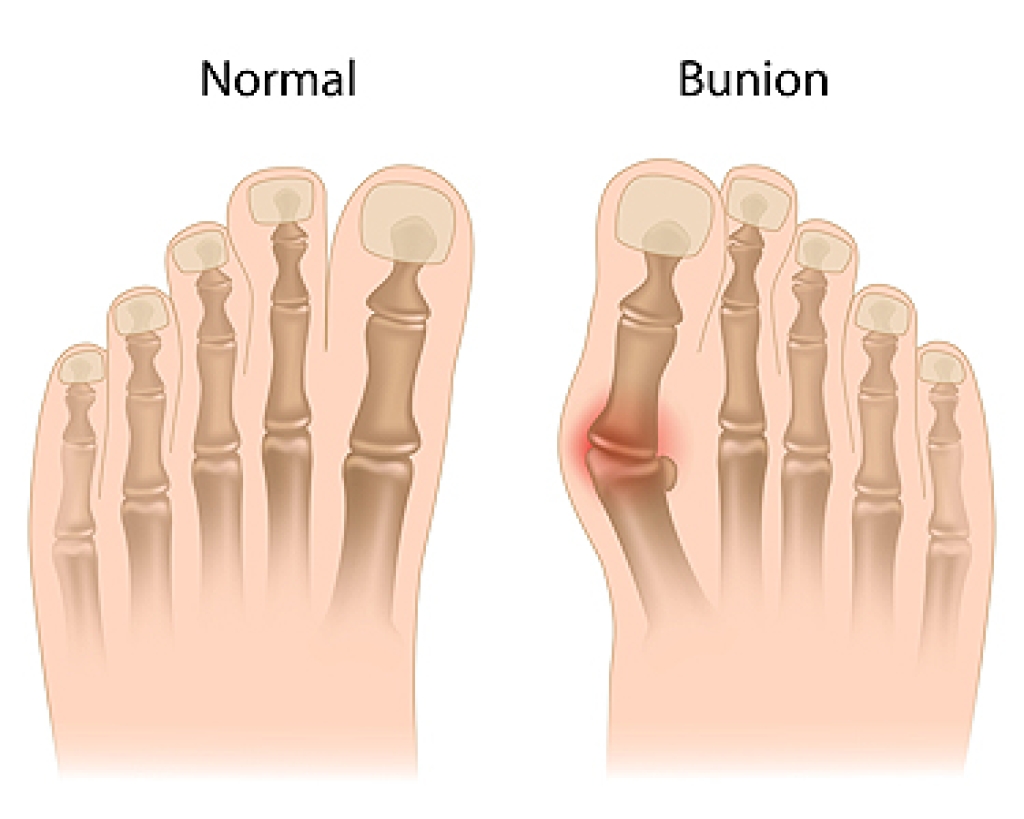
Podiatry Treatment for Painful Bunions

A bunion develops when the joint at the base of the big toe gradually moves out of its normal position. This change creates a noticeable bump along the inside of the foot. The big toe can also begin pointing toward the smaller toes. Foot structure can play an important role in bunion development, and certain inherited foot shapes can increase the risk. Shoes that place pressure on the front of the foot can make symptoms worse. Bunion symptoms can include pain, redness, and swelling around the big-toe joint. The joint can also become stiff and difficult to move. Corns or calluses can develop where the toes rub together or where increased pressure affects the foot.

A podiatrist can evaluate a bunion by examining the position of the big toe and the affected joint. The examination can include checking joint movement, areas of tenderness, and changes in foot structure. A podiatrist can also assess how the patient stands and walks to determine how the bunion affects foot function. X-rays can help show the position of the bones and the severity of the joint changes. Treatment can focus on reducing pressure and improving comfort while walking. Custom orthotics can help improve foot support and distribute pressure more evenly. A podiatrist can also recommend properly fitted shoes with enough space around the toes to reduce pressure on the bunion.

Bunions can affect balance, movement, and the ability to wear certain shoes comfortably. Patients can change how they walk to avoid pressure on the painful big-toe joint. This change can place added stress on other areas of the foot. A podiatrist can identify these changes and develop a treatment plan based on the patient's symptoms and foot structure. Care can focus on reducing painful pressure, supporting the foot, and maintaining comfortable movement. Regular podiatry evaluations can also track changes in the bunion and determine whether treatment should be adjusted. Addressing discomfort can help patients remain active and reduce problems caused by altered foot mechanics. If you have symptoms of bunions, it is suggested that you make an appointment with a podiatrist for diagnosis and treatment.

If you are suffering from bunion pain, contact Akena Wannamaker, DPM of ASW Foot and Ankle. Our doctor can provide the care you need to keep you pain-free and on your feet.

What Is a Bunion?

Bunions are painful bony bumps that usually develop on the inside of the foot at the joint of the big toe. As the deformity increases over time, it may become painful to walk and wear shoes. Women are more likely to exacerbate existing bunions since they often wear tight, narrow shoes that shift their toes together. Bunion pain can be relieved by wearing wider shoes with enough room for the toes.

Causes

  • Genetics – some people inherit feet that are more prone to bunion development
  • Inflammatory Conditions - rheumatoid arthritis and polio may cause bunion development

Symptoms

  • Redness and inflammation
  • Pain and tenderness
  • Callus or corns on the bump
  • Restricted motion in the big toe

In order to diagnose your bunion, your podiatrist may ask about your medical history, symptoms, and general health. Your doctor might also order an x-ray to take a closer look at your feet. Nonsurgical treatment options include orthotics, padding, icing, changes in footwear, and medication. If nonsurgical treatments don’t alleviate your bunion pain, surgery may be necessary.

If you have any questions, please feel free to contact our office located in Richmond, VA . We offer the newest diagnostic and treatment technologies for all your foot care needs.

Read more about What Are Bunions?

Outer Foot Pain and Cuboid Syndrome

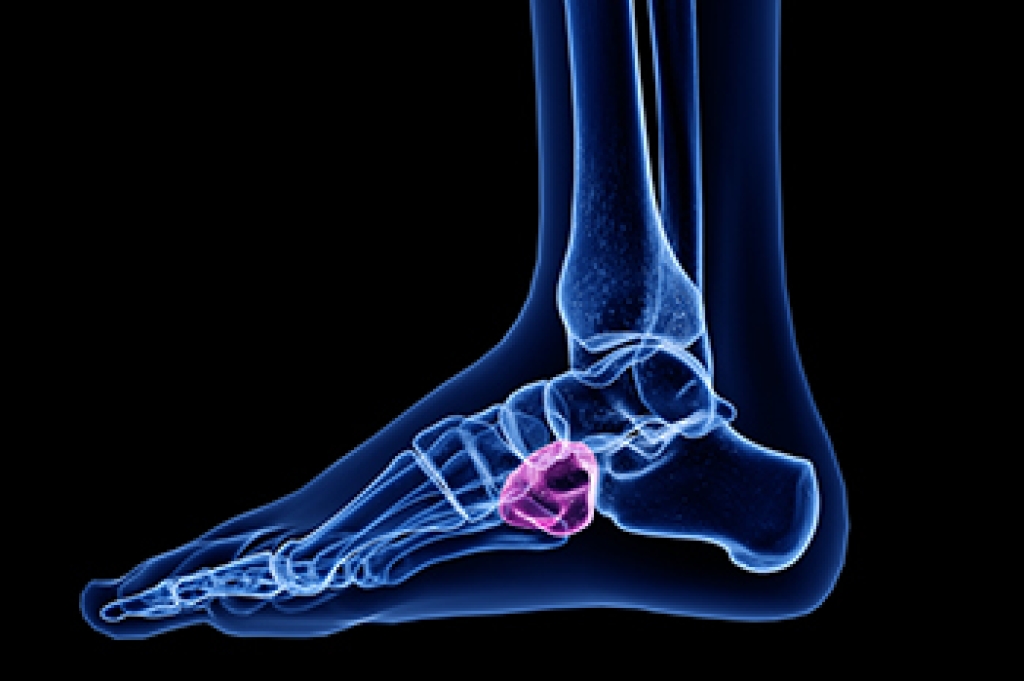
Cuboid syndrome affects the cuboid, a small bone on the outer side of the midfoot. It can develop when the cuboid shifts slightly from its normal position because of stress or an injury. The condition is sometimes associated with an ankle sprain or repeated strain from activities like running and jumping. Patients may feel pain along the outside of the foot, especially when putting weight on it. The area can also feel tender when touched. Some patients notice discomfort when moving the foot or when walking. Because several foot problems can cause similar symptoms, a podiatrist can examine the foot and determine whether the cuboid is involved.

A podiatrist can assess the foot by reviewing the patient’s symptoms and performing a physical examination. The examination can focus on the location of pain, foot movement, and areas of tenderness. Imaging may also be used when another injury needs to be ruled out. Treatment for cuboid syndrome focuses on restoring normal foot function and reducing pain. A podiatrist can use specific foot techniques to help return the cuboid to its proper position. Professional care can also include supportive measures that reduce stress on the area while it heals. The treatment approach depends on the severity of symptoms and the factors that contributed to the condition.

Cuboid syndrome can interfere with walking, exercise, and other activities that place pressure on the foot. Prompt evaluation can help determine whether the symptoms are coming from the cuboid or another foot injury. A podiatrist can monitor the foot and assess changes in pain, movement, and function as treatment progresses. Professional care can also help identify contributing factors, like repeated stress or an earlier ankle injury. Addressing the source of the problem can help support proper foot function and reduce the chance of continued discomfort. If you have symptoms of cuboid syndrome, it is suggested that you make an appointment with a podiatrist for diagnosis and treatment.

Cuboid syndrome, also known as cuboid subluxation, occurs when the joints and ligaments near the cuboid bone in the foot become torn. If you have cuboid syndrome, consult with Akena Wannamaker, DPM from ASW Foot and Ankle. Our doctor will assess your condition and provide you with quality foot and ankle treatment.

Cuboid syndrome is a common cause of lateral foot pain, which is pain on the outside of the foot. The condition may happen suddenly due to an ankle sprain, or it may develop slowly overtime from repetitive tension through the bone and surrounding structures.

Causes

The most common causes of cuboid syndrome include:

  • Injury – The most common cause of this ailment is an ankle sprain.
  • Repetitive Strain – Tension placed through the peroneus longus muscle from repetitive activities such as jumping and running may cause excessive traction on the bone causing it to sublux.
  • Altered Foot Biomechanics – Most people suffering from cuboid subluxation have flat feet.

Symptoms

A common symptom of cuboid syndrome is pain along the outside of the foot which can be felt in the ankle and toes. This pain may create walking difficulties and may cause those with the condition to walk with a limp.

Diagnosis

Diagnosis of cuboid syndrome is often difficult, and it is often misdiagnosed. X-rays, MRIs and CT scans often fail to properly show the cuboid subluxation. Although there isn’t a specific test used to diagnose cuboid syndrome, your podiatrist will usually check if pain is felt while pressing firmly on the cuboid bone of your foot.

Treatment

Just as the range of causes varies widely, so do treatments. Some more common treatments are ice therapy, rest, exercise, taping, and orthotics.

If you have any questions, please feel free to contact our office located in Richmond, VA . We offer the newest diagnostic and treatment technologies for all your foot care needs.
Read more about Cuboid Syndrome

Heel Pain Can Be Treated!

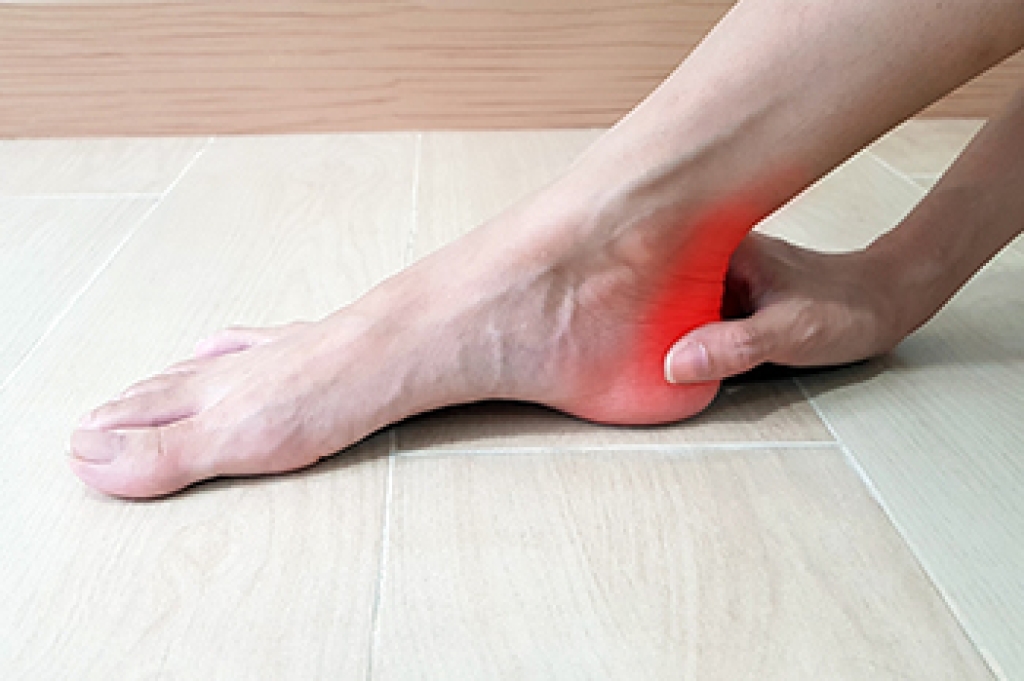
Do you suffer from heel pain when you get up in the morning? If so, you should seek professional help and have a proper diagnosis performed. Heel pain can be caused by several different foot-related conditions.

Podiatric Care for Achilles Tendon Injuries

The Achilles tendon is a strong band of tissue that connects the calf muscles to the heel bone. It helps the foot point downward and plays an important role in walking, running, and jumping. Achilles tendon injuries range from irritation and small tissue damage to a complete tear, called a rupture. A rupture can happen when the tendon is suddenly placed under intense stress. Symptoms include pain, swelling, and difficulty walking. Some patients feel or hear a pop when the tendon tears. A complete rupture can make it difficult to push off the injured foot or stand on the toes of that leg.

Achilles tendon injuries can occur during activities that involve sudden starts, stops, or changes in direction. Running and jumping can also place significant force on the tendon. A rupture sometimes occurs in people who participate in sports only occasionally. Age can affect the tendon, and certain medications can increase the risk of injury. A podiatrist can ask how the injury happened and examine the foot, ankle, and lower leg. The examination can include checking tenderness, swelling, and ankle movement. The podiatrist can also test how well the Achilles tendon is working. Imaging tests can help determine the location and extent of an injury when more information is required.

Treatment depends on the type and severity of the Achilles tendon injury. A podiatrist can provide or coordinate care designed to protect the tendon and restore function. Treatment can include immobilization, and other forms of medical care. A complete rupture can sometimes require surgery, depending on the patient's health and activity level. A podiatrist can also monitor healing and determine when it is appropriate to increase activity. Rehabilitation can focus on restoring strength, flexibility, and normal movement. Proper evaluation is important because continuing activity with an injured Achilles tendon can interfere with recovery. The goal of treatment is to support healing and help the patient return safely to normal activities. If you have symptoms of an Achilles tendon injury, it is suggested that you schedule an appointment with a podiatrist for effective relief and treatment solutions.

Achilles tendon injuries need immediate attention to avoid future complications. If you have any concerns, contact Akena Wannamaker, DPM of ASW Foot and Ankle. Our doctor can provide the care you need to keep you pain-free and on your feet.

What Is the Achilles Tendon?

The Achilles tendon is a tendon that connects the lower leg muscles and calf to the heel of the foot. It is the strongest tendon in the human body and is essential for making movement possible. Because this tendon is such an integral part of the body, any injuries to it can create immense difficulties and should immediately be presented to a doctor.

What Are the Symptoms of an Achilles Tendon Injury?

There are various types of injuries that can affect the Achilles tendon. The two most common injuries are Achilles tendinitis and ruptures of the tendon.

Achilles Tendinitis Symptoms

  • Inflammation
  • Dull to severe pain
  • Increased blood flow to the tendon
  • Thickening of the tendon

Rupture Symptoms

  • Extreme pain and swelling in the foot
  • Total immobility

Treatment and Prevention

Achilles tendon injuries are diagnosed by a thorough physical evaluation, which can include an MRI. Treatment involves rest, physical therapy, and in some cases, surgery. However, various preventative measures can be taken to avoid these injuries, such as:

  • Thorough stretching of the tendon before and after exercise
  • Strengthening exercises like calf raises, squats, leg curls, leg extensions, leg raises, lunges, and leg presses

If you have any questions please feel free to contact our office located in Richmond, VA . We offer the newest diagnostic tools and technology to treat your foot and ankle needs.

Read more about The Causes, Types, and Treatments of Achilles Tendon Injuries

Facts About Gout

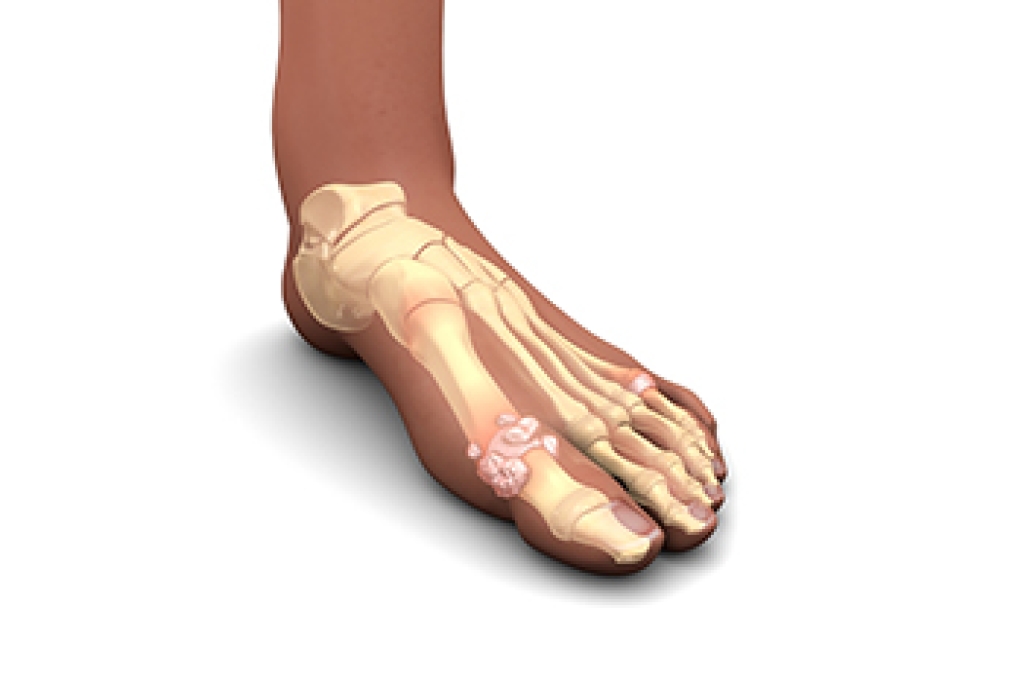
Gout is a joint-related disease that develops when high levels of uric acid build up in the blood and form sharp crystals within a joint. These crystals often collect in the joints of the feet, especially the big toe, leading to sudden inflammation and intense discomfort. Symptoms may include swelling, redness, and severe joint pain that may limit normal movement. Risk factors may include genetic predisposition, gender differences, age-related metabolic changes, and dietary habits that increase uric acid production. Certain foods and beverages may contribute to elevated uric acid levels and trigger painful flare ups. A podiatrist can diagnose gout, help manage symptoms, and provide treatment to protect joint health. If you have symptoms of gout, it is suggested that you promptly consult a podiatrist who can verify the diagnosis and provide relief options.

Gout is a foot condition that requires certain treatment and care. If you are seeking treatment, contact Akena Wannamaker, DPM from ASW Foot and Ankle. Our doctor will treat your foot and ankle needs.

What Is Gout?

Gout is a type of arthritis caused by a buildup of uric acid in the bloodstream. It often develops in the foot, especially the big toe area, although it can manifest in other parts of the body as well. Gout can make walking and standing very painful and is especially common in diabetics and the obese.

People typically get gout because of a poor diet. Genetic predisposition is also a factor. The children of parents who have had gout frequently have a chance of developing it themselves.

Gout can easily be identified by redness and inflammation of the big toe and the surrounding areas of the foot. Other symptoms include extreme fatigue, joint pain, and running high fevers. Sometimes corticosteroid drugs can be prescribed to treat gout, but the best way to combat this disease is to get more exercise and eat a better diet.

If you have any questions, please feel free to contact our office located in Richmond, VA . We offer the newest diagnostic and treatment technologies for all your foot care needs.
Read more about Everything You Need to Know About Gout
scroll to top